Urinary tract infections (UTIs) are one of the most common health problems worldwide, affecting millions of men, women, and even children each year. They happen when harmful bacteria enter the urinary system, causing symptoms like burning during urination, frequent urges, and abdominal discomfort. Though often painful and inconvenient, UTIs can be treated successfully with proper medical care and preventive steps. Learning how to cure urinary tract infection is important for quick relief, preventing complications, and avoiding future recurrences.
What is a urinary tract infection (UTI)?
A urinary tract infection occurs when bacteria grow uncontrollably in the urinary system. While most UTIs are limited to the bladder and urethra, if left untreated, they can spread to the kidneys and cause more serious illness. The bacteria E. coli—commonly found in the digestive tract—is responsible for the majority of cases. Early identification and treatment are essential when considering how to cure urinary tract infection safely.
What is the urinary tract?
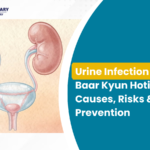
The urinary tract is the body’s natural waste removal system. It consists of:
- Kidneys: Filter waste from the blood and produce urine.
- Ureters: Carry urine from kidneys to the bladder.
- Bladder: Stores urine until it is passed out.
- Urethra: The tube that releases urine from the bladder out of the body.
When bacteria disturb any part of this system, infection begins.
How common are urinary tract infections?
UTIs are extremely common—especially in women, whose shorter urethra makes it easier for bacteria to enter the bladder. Research shows that nearly half of all women will have at least one UTI in their lifetime. Men, children, and older adults can also develop UTIs, though at lower rates. People with diabetes, kidney stones, or weak immunity are more vulnerable. This makes it important to understand how to cure urinary tract infection quickly and prevent long-term problems.
What are the signs of a urinary tract infection?
The symptoms can vary depending on whether the infection is in the bladder, urethra, or kidneys. The most common signs include:
- A persistent, strong urge to urinate.
- Burning or stinging sensation while passing urine.
- Passing small amounts of urine frequently.
- Cloudy, dark, or strong-smelling urine.
- Pain or pressure in the lower abdomen.
- In severe cases: fever, chills, nausea, or vomiting.
Recognizing these early warning signs helps in getting prompt care and understanding how to cure urinary tract infection effectively.
How do you get a urinary tract infection?
UTIs usually develop when bacteria enter the urethra and multiply in the bladder. Causes and risk factors include:
- Poor hygiene practices.
- Sexual activity, which can transfer bacteria.
- Holding urine for too long.
- Using catheters.
- Health conditions like diabetes or kidney stones.
- Weakened immunity.
Being aware of these factors makes it easier to take preventive steps along with treatment.
Diagnosis and Tests
How do you know if you have a UTI?
Symptoms like frequent urges, burning during urination, and cloudy urine strongly suggest a UTI. While some mild cases may resolve, untreated infections can spread to the kidneys. Seeing a doctor ensures timely treatment and prevents complications.
What tests are done to diagnose a urinary tract infection?
Doctors may recommend:
- Urine analysis: To detect bacteria, white blood cells, or blood in urine.
- Urine culture: Identifies the bacteria and guides the right antibiotic choice.
- Imaging tests: Ultrasound or CT scans in recurrent cases.
- Cystoscopy: A thin tube with a camera to check the bladder in complicated situations.
These tests confirm the infection and help decide the best treatment.
Management and Treatment
What is the best thing to do for a urinary tract infection?
The most effective way to manage UTIs is through a combination of medical treatment and lifestyle changes.
- Hydration: Drinking plenty of water helps flush bacteria out.
- Regular urination: Don’t hold urine for long periods.
- Pain relief: Over-the-counter medicine may reduce discomfort until antibiotics work.
- Antibiotics: Always complete the full course prescribed by a doctor.
These steps are vital when learning how to cure urinary tract infection safely and completely.
What specific antibiotics are used?
The choice of antibiotic depends on test results and individual health needs. Common options include:
- Nitrofurantoin
- Fosfomycin
- Trimethoprim-sulfamethoxazole
- Amoxicillin or Cephalexin
- Ceftriaxone for severe infections
Never self-medicate, as wrong antibiotics may worsen the condition. For specialized care, many people opt for urinary tract infection treatment in Delhi with experienced doctors such as Dr. Sujit Chowdhary, who provide accurate diagnosis and tailored treatment.
Prevention
Preventing UTIs is just as important as curing them. Some proven tips include:
- Drink 8–10 glasses of water daily.
- Empty your bladder soon after sexual activity.
- Always wipe from front to back.
- Wear cotton underwear and loose-fitting clothes.
- Avoid harsh soaps, powders, or sprays near the genital area.
- Do not hold urine for long periods.
These healthy habits reduce your risk and support urinary health.
Conclusion
UTIs may be common, but with proper care, they are manageable and preventable. By understanding the symptoms, getting timely tests, and following prescribed treatments, you can recover quickly. Knowing how to cure urinary tract infection is about more than antibiotics—it includes healthy lifestyle changes and preventive measures. For recurring or severe infections, seeking expert advice is crucial. Trusted specialists providing urinary tract infection treatment in Delhi, such as Dr. Sujit Chowdhary, ensure effective treatment and long-term relief.
Frequently Asked Questions:
Q1. Can a urinary tract infection go away on its own?
Sometimes mild cases may improve, but most require treatment to avoid complications.
Q2. How long does it take to cure a UTI?
With antibiotics, most people feel better within 2–3 days, but completing the full course is essential.
Q3. What foods help with urinary tract infections?
Cranberries, blueberries, yogurt, citrus fruits, and drinking enough water can support urinary health.
Q4. Can UTIs return after treatment?
Yes, they can. Following prevention tips and maintaining hygiene lowers the chances of recurrence.