
A baby who was smiling yesterday suddenly turns clingy, refuses feeds, and runs a high fever with no cough, cold, or runny nose. Nappy changes feel different as well, with an odd smell that was not there before. Many parents in this situation start to wonder whether these could be baby urine infection symptoms, or just another virus passing through.
Urinary tract infections, or UTIs, are far more common in babies than most families realise. They account for around seven to eight per cent of fevers in young children, especially in the first year of life. The challenge is that babies cannot say that it hurts when they pass urine, so the first signs are often vague changes in mood, temperature, or feeding.
Most UTIs in infants are straightforward to treat when they are spotted early. If they are missed or treatment is delayed, infection can spread to the kidneys and may leave lasting scars. That is why recognising baby urine infection symptoms and acting promptly can make a big difference to long-term kidney health.
In this guide, backed by more than 25 years of paediatric urology expertise from Dr Sujit Chowdhary in Delhi NCR, parents will find clear explanations of:
- Early warning signs and symptoms
- When to seek urgent medical help
- How doctors diagnose and treat UTIs
- Practical steps to reduce the chance of infections coming back
The aim is simple: with the right information, families can feel calmer, act with confidence, and protect their baby’s kidneys from harm.
Paediatric kidney specialists often stress that “any unexplained fever in a baby deserves a careful look at the urine.” Acting early is one of the best gifts you can give your child’s kidneys.
What Is A Urinary Tract Infection In Babies

A urinary tract infection is a bacterial infection in any part of the urinary system. This system includes:
- The kidneys high in the back
- The ureters that carry urine down
- The bladder that stores urine
- The urethra that takes urine out of the body
In babies, infection most often starts in the bladder and can move upwards to the kidneys if not treated in time.
The most common germ involved is Escherichia coli (E. coli), a bacterium that normally lives in the bowel. From the nappy area, these bacteria can travel into the urethra and up into the bladder. Doctors usually divide UTIs into:
- Lower urinary infection in the bladder, often called cystitis
- Upper urinary infection involving the kidneys, known as pyelonephritis
Kidney infection tends to cause higher fever and a more serious illness.
Babies are more prone to UTIs for several reasons:
- Their immune systems are still developing
- They spend all day in nappies, so the area stays warm and moist
- Delicate skin can become sore or contaminated easily
- Girls have a short urethra, giving bacteria a shorter path to the bladder
- Uncircumcised boys in the first year of life have a slightly higher risk, as bacteria can collect under a tight foreskin
The highest rate of UTIs is seen in the first twelve months of life, when baby urine infection symptoms are also the hardest to interpret. The reassuring news is that these infections usually respond very well to the right antibiotics. What they cannot be managed with are home remedies, cranberry products, or waiting and watching for many days. Proper medical assessment is always needed.
Worried About Urinary Infection Symptoms in Your Baby?
Unexplained fever, excessive crying, poor feeding, foul-smelling urine, or vomiting can be early signs of a baby urinary tract infection. Prompt diagnosis and treatment are essential to protect your infant’s kidneys. Raj Hospital Ranchi offers expert paediatric urology care with accurate testing and gentle treatment.
Consult a Paediatric Urology Specialist NowThe Challenge Of Recognising Baby Urine Infection Symptoms
Spotting a UTI in a baby is not as simple as in an older child or adult. An older child can say that passing urine burns or that their tummy or back hurts. A baby has only a limited way to show distress. Crying, poor feeding, and disturbed sleep can point to many different problems, from colic to viral infections to teething.
Many baby urine infection symptoms are non-specific:
- Fever without a cough or cold
- Irritability or unusual crying
- Loose stools or mild vomiting
- A foul smell in the nappy
These can easily be misread as a stomach bug or teething. Even a strong urine smell may first be blamed on a change in diet or formula. Symptoms may appear slowly over a couple of days, which makes them even easier to overlook at first.
Babies with UTIs may also look fairly well between episodes of crying, at least in the early stages. This can give parents false reassurance that nothing serious is going on. That is why any feeling that things are not quite right, especially with an unexplained fever, deserves medical attention. Doctors look at age, pattern of symptoms, examination findings, and urine test results together before deciding whether a UTI is likely.
Parents should never feel guilty for missing the diagnosis on their own. Even experienced doctors sometimes need urine tests to be sure. Asking for help early, rather than waiting in hope that things will settle, is the wisest step.
Early Warning Signs And Baby Urine Infection Symptoms By Age
Recognising baby urine infection symptoms early greatly reduces the risk of kidney infection and scarring. Because babies change so much in the first year, the signs of a UTI also vary with age. Newborns often show very subtle changes, while older infants may have slightly more obvious clues.
Symptoms In Newborns And Young Infants (0–3 Months)

The youngest babies are the most fragile and have the least specific symptoms. Any fever in this age group is an emergency and needs same-day medical review, because a UTI can be one cause among several serious infections.
Common signs include:
- Fever of 38°C or higher without a clear source (no cough, cold, or ear infection)
- Marked irritability or crying that is hard to comfort
- Restlessness between short periods of sleep
- Difficulty feeding, with the baby taking only a few sips and then pulling away
Other warning signs may include:
- Vomiting after feeds or loose stools
- A general sense that feeds are not being kept down
- Floppiness or unusual sleepiness, with less response to cuddles or voices
- Persistent jaundice (yellowing of skin or eyes) in some newborns
- Strong-smelling or cloudy urine in the nappy
- Poor weight gain or even weight loss over a few days
Any of these changes, especially when combined with fever, need urgent medical assessment.
Symptoms In Older Infants (3–12 Months)
Between three and twelve months, baby urine infection symptoms may still be non-specific, but patterns start to appear more clearly. A key sign is a persistent high fever lasting longer than a day without another obvious cause, such as a runny nose, ear pain, or a known viral illness in the family.
Common clues include:
- Reduced milk intake, refusal of solids, or fussiness during feeds
- Crying or sudden screaming during or just after passing urine
- Urine in the nappy with a very strong, unpleasant smell
- Urine that looks cloudy, darker than usual, or rarely with a pink or red tinge
- Abdominal discomfort, with the baby pulling legs up, arching the back, or crying when the lower tummy is touched
- Looser stools or diarrhoea at the same time as fever
- Irritability, broken sleep, and fussiness during nappy changes
- A stubborn nappy rash that does not improve with usual creams, especially if paired with fever or unusual urine smell
A baby may show only one or two of these symptoms. No parent is expected to piece together every single sign. The key is to notice a pattern that feels out of character and seek medical advice.
Red Flag Symptoms Requiring Immediate Medical Attention
Some symptoms point to a higher risk of serious infection or dehydration and need urgent medical care. Recognising these red flags helps parents act quickly:
- Fever
- Any fever in a baby younger than three months
- Fever above 39°C at any age
- Blood in urine
- Pink stains or red streaks in the nappy
- Especially concerning if seen with pain, crying, or fever
- Persistent vomiting
- Feeds not staying down
- Repeated vomiting over a few hours
- Signs of dehydration
- Dry mouth
- No tears when crying
- A sunken soft spot on the head
- Fewer wet nappies
- Unusual drowsiness
- Severe lethargy or swelling
- Extreme sleepiness, limpness, or difficulty waking
- Swelling of the tummy or genital area
Babies with these signs often need assessment in hospital for fluids, antibiotics, and close monitoring.
A practical rule many paediatricians share with parents is: “If you are worried enough to keep checking your baby through the night, you are worried enough to call a doctor.”
For families under the care of Dr Sujit Chowdhary, tele or video consultations are available to guide parents on whether to attend the clinic, go to the emergency department, or start tests straight away.
Understanding The Causes And Risk Factors For UTIs In Babies
Knowing why UTIs happen in babies helps parents understand that these infections are common medical problems rather than a sign of poor care. It also highlights areas where small changes can reduce risk.
The main cause of UTIs is bacteria from the bowel entering the urinary tract. E. coli is the most frequent germ. In the nappy area, this bacterium sits near the opening of the urethra and can travel upwards into the bladder, especially if:
- The area stays damp for long periods
- Wiping patterns move germs towards the front
- There are long gaps between nappy changes
Girls are at higher risk because the urethra in females is short and lies close to the anus.
Nappy hygiene plays a large part:
- Infrequent changes mean stool stays in contact with the skin and urethra for longer
- Wiping back to front in girls can spread bacteria directly towards the urinary opening
- Scrubbing too hard or using harsh soaps can irritate the skin and make it easier for bacteria to pass through tiny breaks
Some babies are born with structural differences in their urinary tracts. Conditions such as vesicoureteric reflux (VUR) send urine back up towards the kidneys. Obstructions at different points in the system can cause poor drainage and stagnant urine. Both situations give bacteria more time to grow. Premature babies or infants with weak immune systems are also more likely to have infections, including UTIs.
Constipation in older infants, once solids are introduced, can also raise the risk. Large amounts of hard stool in the rectum press on the bladder and can stop it from emptying properly. Previous courses of antibiotics given for other infections may change the balance of bacteria in the bowel and skin, sometimes favouring strains that cause UTIs.
Even with excellent hygiene and care, some babies will still develop UTIs. Parents should never blame themselves. An important part of Dr Chowdhary’s assessment is to look for any underlying anatomical reasons, so that long-term plans address the root cause and not just each infection as it appears.
How Paediatric Urologists Diagnose UTIs In Babies
Because baby urine infection symptoms are often vague, doctors do not rely on symptoms alone. A proper diagnosis is based on a careful clinical assessment along with laboratory tests on the baby’s urine. This approach reduces the chance of missing an infection and avoids giving antibiotics when they are not needed.
The Consultation And Physical Examination
During the first consultation, the doctor starts by taking a detailed history from the parents, including:
- When the fever started, how high it has been, and any pattern noticed
- Changes in feeding, sleeping, and crying
- New smells or colours noticed during nappy changes
- Pregnancy and birth history
- Previous illnesses and medicines
- Family history of kidney or urinary problems
Next comes a gentle physical examination. The doctor will:
- Check the baby’s temperature, heart rate, breathing, and general alertness
- Feel the tummy for tenderness, swelling, or a full bladder
- Gently press over the back where the kidneys lie to see whether it causes discomfort
- Examine the genital area for redness, rashes, a tight foreskin, or any unusual openings
paediatric urology expertise uses child-friendly techniques and a calm manner so that babies and parents feel as relaxed as possible during this process.
Urine Sample Collection Methods
The most important step in confirming a UTI in babies is getting a clean urine sample for testing. This can be tricky, as babies cannot pass urine on command. If the sample is contaminated with bacteria from the skin or stool, the laboratory result may falsely suggest infection.
Common methods include:
- Clean catch sample
Parents or nurses wait with the nappy off and try to catch urine in a sterile container as soon as the baby starts to pass urine. The skin is cleaned beforehand to reduce contamination. This method is non-invasive but may need several attempts and can still pick up germs from the skin. - Catheter sample
Often preferred when a clear answer is needed. A small soft catheter is passed gently into the bladder through the urethra. Anaesthetic gel makes this quick procedure more comfortable. Once urine flows into the tube, it is collected in a sterile pot and the catheter is removed straight away. This gives a far more reliable sample than collection from the nappy. - Suprapubic aspiration
In selected cases, such as boys with very tight foreskin or babies with severe nappy rash, a fine needle is passed through the lower tummy wall directly into the bladder to draw off urine. Although it sounds worrying, it is very quick, carried out with proper pain relief, and gives the purest sample for testing.
Dr Chowdhary explains each method in detail so families understand why a particular approach is being suggested.
Laboratory Analysis With Urinalysis And Culture
Once the urine sample reaches the laboratory, two main tests are done:
- Urinalysis
The urine is examined under a microscope and with chemical strips to check for white blood cells (pus cells), blood, and bacteria. These markers point strongly towards infection and allow doctors to start treatment quickly if needed. - Urine culture
A small amount of urine is placed on special plates and checked to see whether bacteria grow over the next one to two days. If growth occurs, the type of bacterium is identified and its response to different antibiotics is tested.
In young children, a firm diagnosis of UTI usually needs both:
- White cells or bacteria on microscopy, and
- A significant number of bacteria on culture (often around 50,000 colony-forming units or more of a single germ in 1 ml of urine)
Antibiotics may be adjusted once the final culture and sensitivity results arrive.
Worried About Urinary Infection Symptoms in Your Baby?
Unexplained fever, excessive crying, poor feeding, foul-smelling urine, or vomiting can be early signs of a baby urinary tract infection. Prompt diagnosis and treatment are essential to protect your infant’s kidneys. Raj Hospital Ranchi offers expert paediatric urology care with accurate testing and gentle treatment.
Consult a Paediatric Urology Specialist NowTreatment Options And How UTIs In Babies Are Managed
Hearing that a baby has a UTI can be very worrying, but treatment is usually straightforward once the diagnosis is confirmed. The goals are to clear the infection quickly, ease the baby’s discomfort, and protect the kidneys now and in the future.
Antibiotic Therapy
Antibiotics are the main medicines used to clear a UTI. Doctors usually start treatment as soon as a UTI is strongly suspected and a urine sample has been taken. Waiting for the culture result before starting any treatment could allow the infection to spread, especially in very young babies.
The first antibiotic is chosen based on:
- The most common bacteria causing UTIs in that region
- Local resistance patterns
- The baby’s age and overall condition
Once the culture and sensitivity report comes back, the antibiotic may be changed to one that matches the bacteria more closely.
- Older, otherwise well infants with infection limited to the bladder can often take medicine by mouth at home.
- Babies younger than two to three months, those who are very unwell, or those who cannot keep medicine down because of vomiting usually need antibiotics given into a vein in hospital.
Treatment courses often last 7–14 days, depending on how severe the infection is and whether the kidneys are involved. It is very important that parents give every dose exactly as prescribed, even when their baby seems much better after a couple of days. Stopping early can leave some bacteria alive, leading to recurrent infections and germs that are harder to treat the next time.
Think of antibiotics as a full course of training for your baby’s recovery. Missing doses is like stopping halfway through a treatment plan.
When Hospitalisation Is Necessary
Not every baby with a UTI needs to stay in hospital, but admission is the safest option when:
- The baby is under two months of age
- The infant looks very ill, floppy, or unusually sleepy
- There is frequent vomiting or poor feeding
- There are signs of dehydration
- Doctors suspect kidney involvement or urinary blockage
Hospital care allows:
- Intravenous fluids and antibiotics
- Close monitoring of temperature, urine output, and general condition
- Fast access to scans and blood tests
- Regular reviews by the paediatric team
Parents are encouraged to stay with their child, and paediatric urologist works closely with hospital teams to keep families informed at every step.
Supportive Care And Monitoring
Alongside antibiotics, simple measures help babies feel better and recover faster:
- Keeping up regular feeds with breast milk or formula to support hydration and kidney function
- Using paracetamol in the correct dose, as advised by the doctor, to bring down fever and ease discomfort
- Changing nappies frequently to keep the area clean and dry
Parents are asked to watch for signs that treatment is working, such as:
- Lower temperature
- Better feeding
- Less irritability
These improvements usually appear within 24–48 hours. Follow-up appointments and sometimes repeat urine tests confirm that the infection has cleared. Continued or worsening symptoms despite antibiotics always need a fresh review.
Further Investigation And When Additional Tests Are Needed
Many babies will have just one UTI and never face the problem again. Others, especially younger infants or those with more severe infections, may need further tests to check for underlying anatomical issues. These investigations help doctors decide whether there is any long-term risk to the kidneys and what follow-up is needed.
Imaging is usually advised:
- After a first febrile UTI in babies under two years of age
- After recurrent UTIs
- When there are unusual findings on examination or blood tests
The exact plan is decided by the paediatric urologist after discussing the risks and benefits with the family. The most common tests are ultrasound, voiding cystourethrogram (VCUG), and DMSA scan.
Kidney And Bladder Ultrasound (KUB)

The first imaging test is usually an ultrasound of the kidneys and bladder. This safe, painless scan uses sound waves to build pictures of the urinary tract. A small amount of gel is placed on the baby’s tummy and back, and a handheld probe is moved gently over the skin.
Ultrasound can show:
- The size and shape of the kidneys
- Swelling called hydronephrosis from urine backing up
- Possible stones or structural blockages
- How well the bladder empties
No injections or sedation are usually required, and parents can stay with their baby throughout the scan.
Voiding Cystourethrogram (VCUG)
If ultrasound suggests reflux or blockage, or if a baby has a second febrile UTI, a voiding cystourethrogram (VCUG) may be recommended. In this test:
- A thin soft catheter is passed through the urethra into the bladder.
- Contrast dye is gently run in through the catheter.
- X-ray pictures are taken as the bladder fills and while the baby passes urine.
The main purpose of VCUG is to look for vesicoureteric reflux (VUR), where urine travels backwards from the bladder towards the kidneys. Detecting reflux is important because it can raise the risk of kidney infections and scarring.
The test can feel stressful for parents and babies, but staff use careful handling, pain relief gel, and distraction techniques to make it as smooth as possible. The information gained often guides long-term management.
DMSA Scan For Kidney Function Assessment
A DMSA scan is a nuclear medicine test used to see how well each kidney is working and to look for areas of scarring. A small amount of a radioactive tracer is injected into a vein, and after a short wait, special cameras take images of the kidneys.
This scan is often performed if significant reflux is found or if there are concerns that previous infections may have damaged the kidneys. The radiation dose is kept very low and is considered safe when used for clear medical reasons. paediatric urology clinic explains the need for each test carefully so that parents feel informed rather than alarmed.
Preventing UTIs In Babies With Practical Tips For Parents
It is not possible to prevent every UTI, especially when structural problems are present, but many simple steps at home can lower the risk. Small daily habits around nappies, cleaning, and feeding can make the urinary tract a much less friendly place for bacteria.
Nappy Hygiene And Changing Practices
Good nappy care is one of the strongest defences against infection:
- Change nappies every 2–3 hours and as soon as possible after a bowel movement.
- Use warm water or mild, unscented wipes and clean gently rather than scrubbing.
- For girls, always wipe from front to back to move germs away from the urethral opening.
- Allow the nappy area to air dry for a few minutes before putting on a fresh nappy.
Avoid:
- Bubble baths, perfumed soaps, and powders in the genital area
- Strong detergents or fragranced wipes on sore skin
For boys:
- Wash the genital area gently without trying to force the foreskin back.
- The foreskin often remains tight in infancy, and forcing it can cause tiny tears that raise infection risk.
Dr Chowdhary often shares simple demonstrations with parents during clinic visits so they feel confident about everyday care.
Worried About Urinary Infection Symptoms in Your Baby?
Unexplained fever, excessive crying, poor feeding, foul-smelling urine, or vomiting can be early signs of a baby urinary tract infection. Prompt diagnosis and treatment are essential to protect your infant’s kidneys. Raj Hospital Ranchi offers expert paediatric urology care with accurate testing and gentle treatment.
Consult a Paediatric Urology Specialist NowHydration And Feeding
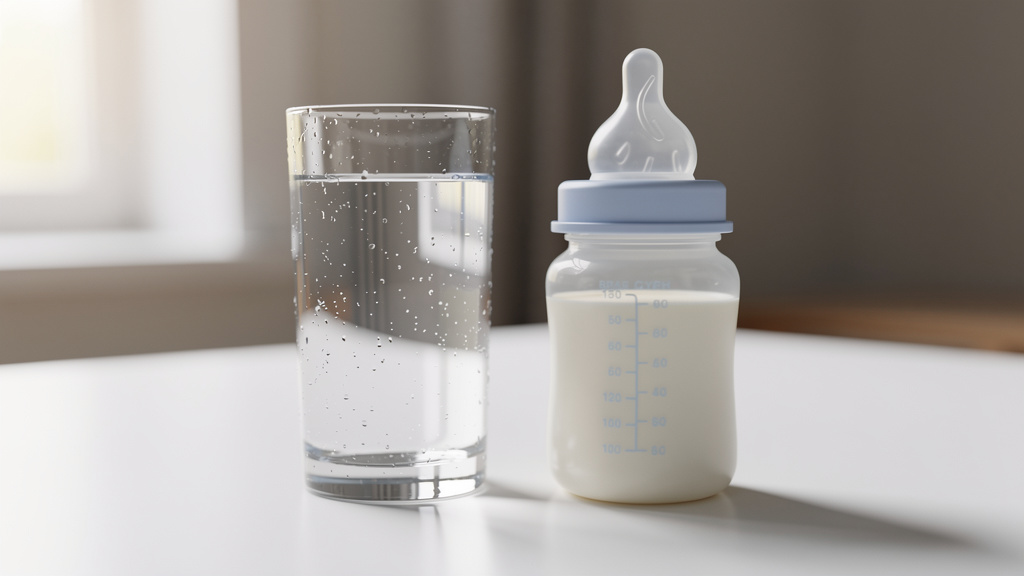
Well-hydrated babies usually pass urine more often, which helps flush bacteria out of the bladder before they can grow.
- In the first months of life, regular breastfeeding or formula feeding according to the baby’s needs is usually enough.
- Once older infants start solids, small amounts of cooled boiled water can be introduced as advised by the paediatrician.
Parents can watch for:
- A good number of wet nappies
- Urine that is pale straw coloured rather than dark
Dark, strong-smelling urine may suggest that more fluids are needed or that a medical review would be wise.
When To Consider Circumcision
For male infants, circumcision can reduce the risk of UTIs, especially when:
- Infections are recurrent
- The foreskin is very tight and cannot be cleaned properly
Removing the foreskin makes it harder for bacteria to hide and multiply near the urethral opening.
Circumcision is a personal and sometimes cultural or religious decision. It is not suggested for every boy with a single UTI. Instead, it is considered in discussion with a paediatric urologist who can weigh the benefits and risks for each child.
Dr Sujit Chowdhary offers detailed counselling to families, explaining:
- When circumcision is likely to help
- How the procedure is done
- What recovery involves
This helps parents make an informed choice that feels right for their child and family.
When it comes to prevention, small consistent steps — clean nappies, gentle washing, and good hydration — often have the biggest impact over time.
Long Term Outlook And The Importance Of Follow Up Care
With early diagnosis and proper treatment, the outlook for babies with UTIs is generally very good. Most infants who have one simple UTI recover completely and never have kidney problems in later life. Prompt antibiotics shorten the infection and help protect delicate kidney tissue from damage.
Follow-up care is still important:
- Completing the full course of antibiotics, even when baby urine infection symptoms have settled
- Attending scheduled reviews to check growth, blood pressure, and repeat urine tests
- Having regular ultrasound scans and clinic visits for babies with reflux, obstruction, or recurrent infections
In higher-risk cases, doctors may suggest a low, once-daily dose of antibiotics for a period of time to prevent further infections. This is known as prophylaxis and is particularly helpful while a child is likely to outgrow reflux or is waiting for corrective procedures.
Many anatomical problems can be managed with modern minimally invasive or robotic surgery, which Dr Chowdhary performs in a dedicated paediatric setting.
The most reassuring message for parents is that with expert paediatric urology care and careful monitoring, children who had UTIs in infancy usually enjoy normal, active lives with healthy kidneys.
Conclusion
Baby urine infection symptoms can be easy to miss at first because they often look like many other childhood illnesses. Unexplained fever, changes in feeding, irritability, and foul-smelling or cloudy urine are some of the key signs that deserve closer attention. Adding rapid medical assessment to parental instinct creates a powerful safety net for a baby’s kidneys.
UTIs in babies are common and usually clear well with the right antibiotics. The important steps are:
- Getting proper urine tests
- Following medical advice closely
- Finishing the full course of treatment
Home remedies or guesswork cannot replace urine analysis and culture. Every suspected UTI needs professional input.
Parents who act quickly when they sense something is wrong give their baby the best chance of a smooth recovery and healthy future. For families in Delhi NCR and beyond, Dr Sujit Chowdhary offers tele and video consultations, along with in-person care built on decades of paediatric urology experience. Any parent worried about their baby’s urinary health can book a consultation for clear answers, calm guidance, and a plan that protects their child’s kidneys for years to come.
Worried About Urinary Infection Symptoms in Your Baby?
Unexplained fever, excessive crying, poor feeding, foul-smelling urine, or vomiting can be early signs of a baby urinary tract infection. Prompt diagnosis and treatment are essential to protect your infant’s kidneys. Raj Hospital Ranchi offers expert paediatric urology care with accurate testing and gentle treatment.
Consult a Paediatric Urology Specialist NowCan A Baby Have A UTI Without A Fever?
Yes, some babies can have a UTI without a noticeable fever, especially if the infection is mild or caught early. Other baby urine infection symptoms include strong-smelling urine, poor feeding, unusual fussiness, or changes in urine colour. Any worrying change that persists should prompt a medical check.
How Quickly Should I See A Doctor If I Suspect My Baby Has A UTI?
If a UTI is suspected, it is wise to see a doctor within twenty-four hours. A baby under three months with any fever, or any infant with very high fever, blood in urine, repeated vomiting, or signs of dehydration, needs same-day review. Dr Chowdhary’s tele or video consultation service helps parents act without delay.
Can I Prevent All UTIs In My Baby With Good Hygiene?
Good nappy hygiene, gentle cleaning, and regular changes greatly reduce the chance of infection, but they cannot remove the risk entirely. Some babies have underlying anatomical issues such as reflux that raise the likelihood of UTIs despite careful care. This is not a reflection on parenting. Specialist assessment can find and manage these hidden causes.
Will My Baby Need To Be Hospitalised For A UTI?
Hospital admission depends on age, severity, and feeding ability. Very young babies and those who look very unwell, dehydrated, or unable to keep medicine down usually need intravenous antibiotics in hospital. Many older infants with simple bladder infections can be treated at home with oral antibiotics and close follow-up under the guidance of a paediatric urologist.
Can Recurrent UTIs Cause Permanent Damage To My Baby’s Kidneys?
Repeated or poorly treated UTIs, especially those that reach the kidneys, can lead to scarring and long-term problems such as high blood pressure or reduced kidney function. This is why early treatment, proper follow-up, and investigation for reflux or obstruction are so important. With timely specialist care from experts such as Dr Sujit Chowdhary, the risk of lasting kidney damage can be kept very low.