A small child sits on the potty, suddenly freezes, and then starts to cry as the urine stream begins. For a parent, that moment feels endless. Worry sets in straight away: Is this normal? Is something seriously wrong? Why is there child pain while urinating?
Pain when passing urine looks frightening, especially when a child screams or refuses to sit on the toilet. While many parents fear the worst, the reassuring truth is that this symptom is common and often treatable. Some causes are simple, such as skin irritation or nappy rash. Others, like urinary tract infections (UTIs) or structural problems, need assessment by a trained paediatric urologist.
Dr Sujit Chowdhary, senior paediatric urologist in Delhi NCR with more than twenty five years of experience, sees children with painful urination every week. His practice combines detailed diagnosis, modern child friendly surgery, and a calm, supportive approach for families.
By reading this guide, you will understand what painful urination means, common causes, warning signs, when to rush to hospital, how doctors test and treat the problem, and practical steps to prevent future trouble.
As Dr Sujit Chowdhary often tells parents, “Pain while passing urine is never something a child should just ‘get used to’.”
What Is Painful Urination (Dysuria) In Children?
Painful urination, or dysuria, means a child feels pain, burning, stinging, or marked discomfort when passing urine. Older children may say “it burns” or “it hurts when I pee”. Babies may only cry or arch their back during a wet nappy.
A key point is to separate normal bladder discomfort from true pain:
- Often normal: Brief fussing just before urine starts, followed by quick settling once the stream flows.
- More concerning: Crying or distress that starts or worsens during urination and continues afterwards.
How dysuria appears changes with age:
- Infants: Crying, grimacing, pulling legs up, turning red whenever they wet the nappy.
- Toddlers: Running away from the potty, holding the genital area, saying “toilet hurts”.
- Older children: Clear complaints of burning or stinging, or refusing to pass urine at all.
Any child who repeatedly cries or complains during urination should be seen by a doctor. A paediatric urologist such as Dr Sujit Chowdhary can assess the entire urinary system (kidneys, ureters, bladder, urethra) in an organised way.
How To Tell If Your Child Is Experiencing Painful Urination
Parents often wonder whether their baby or child is crying from pain or general upset. Careful observation over a day or two can help.
Look for:
- Timing: Pain linked clearly to urination (during or just after) rather than before.
- Facial expression: Tight eyes, frowning, or obvious distress as urine appears.
- Body language: Arching the back, pulling knees to the chest, stiffening, or grabbing the genital area.
- Behaviour change: Suddenly avoiding the toilet, holding urine for long periods, or “dancing” instead of going.
- Pattern: Pain with most toilet visits, especially if combined with fever, foul smell, or unusual urine colour.
Keeping simple notes (time of pain, fever readings, appearance of urine) gives your doctor a much clearer picture and speeds up accurate diagnosis.
Is Your Child Crying or Struggling While Urinating?
Pain, burning, crying during urination, frequent bathroom visits, or fear of using the toilet can signal urinary infections, irritation, or underlying urological problems in children. Early evaluation is important to prevent complications. Raj Hospital Ranchi offers expert paediatric urology care with child-friendly diagnosis and treatment.
Consult a Paediatric Urologist for Your ChildCommon Causes Of Pain During Urination In Children
Parents often jump straight to infection when they hear child pain while urinating. UTIs are common, but they are not the only cause. Pain can arise from:
- Irritated skin
- Urine itself (when very concentrated)
- Stones or blockage
- Structural or functional problems in the urinary tract
At Dr Sujit Chowdhary’s paediatric urology practice, children are assessed in a structured way using history, examination, and tests such as Paediatric Urodynamics, ultrasound, and scans. This approach separates simple issues from deeper urinary problems.
Urinary Tract Infections (UTIs)
A urinary tract infection is the single most common medical cause of painful urination in children. Bacteria (often E. coli from the gut) enter through the urethra and multiply in the bladder or kidneys.
- Lower tract infection (cystitis): Burning during urination, frequent small toilet trips, lower tummy pain.
- Upper tract infection (pyelonephritis): High fever, back or side pain, vomiting, the child looking very unwell.
Infections that reach the kidneys need urgent care because repeated episodes can scar the kidneys.
Children are more prone to UTIs because:
- Immune systems are still developing.
- Hygiene may not be perfect.
- They sometimes hold urine for long periods.
- Nappies keep the area warm and moist, helping bacteria travel to the urethra.
- Girls have a shorter urethra close to the anus.
At Dr Chowdhary’s clinic, urinalysis and urine culture confirm infection and identify the germ so that the right antibiotic can be chosen.
Nappy Rash And Genital Irritation
Not all child pain while urinating comes from infection. Severe nappy rash or genital irritation can make even normal urine sting when it touches the skin.
Common triggers:
- Long contact with urine and stools under a nappy.
- Acidic urine and enzymes from stools on already damaged skin.
- Bubble baths, scented soaps, harsh wipes, or detergents (chemical urethritis).
Clues include:
- Bright red, shiny, or peeling skin.
- Tiny spots or areas that seem very sore when wiped.
- Redness or swelling at the tip of the penis or around the labia.
Once irritants are removed and good skin care is started, this sort of pain often settles within a few days. A paediatrician or paediatric urologist can guide on gentle cleaning and barrier creams, and help decide when infection is more likely.
Structural And Congenital Abnormalities
Some children are born with differences in how their kidneys, ureters, bladder, or urethra are formed. These can:
- Block urine flow.
- Allow urine to flow back towards the kidneys.
- Disturb normal bladder emptying.
Examples include:
- Narrow segments in the ureter.
- Valves or flaps in the urethra.
- Abnormal urethral openings.
- Foreskin problems requiring medical circumcision.
- Bladder dysfunction in children with conditions like spina bifida.
These issues may cause a poor urine stream, dribbling, straining, repeated UTIs, or pain.
Dr Sujit Chowdhary uses Paediatric Urodynamics and imaging to detect these problems early, protect the kidneys, and plan treatment.
Urinary Stones In Children
Urinary stones are more common in children than many parents realise. Stones form when minerals in the urine join and create hard crystals in the kidneys, ureters, or bladder.
Typical signs include:
- Sudden, severe tummy, side, or back pain (colicky pain).
- Pain focused around the bladder and urethra as the stone moves down.
- Blood in the urine (pink, red, or tea coloured).
- Frequent urges to pass urine with only small amounts coming out.
- Sudden stopping of the stream or, rarely, complete blockage.
Risk factors include low fluid intake, diet, family history, and certain metabolic conditions.
At Dr Chowdhary’s centre, treatment focuses on minimal pain and minimal invasion:
- Small stones may pass with fluids and medicines that relax the ureter.
- Larger or stuck stones may need shock wave lithotripsy, endoscopic removal, or small keyhole procedures.
Other Contributing Factors
Several everyday factors can add to painful urination or UTIs:
- Holding urine too long (especially at school or while playing).
- Constipation (full rectum pressing on the bladder).
- Dehydration leading to concentrated urine.
- Minor genital injuries (falls on a bicycle bar, rough wiping).
- Worms and vulvovaginitis in girls.
| Contributing Factor | How It Causes Problems | Typical Age Groups |
|---|---|---|
| Holding urine for long periods | Overstretched bladder, incomplete emptying, bacteria grow in stale urine | Preschool and school-age children |
| Constipation | Full rectum presses on bladder, blocks emptying, raises infection risk | Toddlers, older children, teenagers |
| Dehydration | Concentrated urine irritates bladder and urethra, causing burning | All ages, especially active children in hot weather |
| Minor genital injuries | Bruising or skin damage makes urine contact painful until healing | Toddlers, active school children |
| Pinworms and vulvovaginitis in girls | Itching and sore skin around genital area, urine worsens pain | Mainly girls from preschool age upwards |
Improving toilet habits, bowel care, and fluid intake often leads to clear relief.
Is Your Child Crying or Struggling While Urinating?
Pain, burning, crying during urination, frequent bathroom visits, or fear of using the toilet can signal urinary infections, irritation, or underlying urological problems in children. Early evaluation is important to prevent complications. Raj Hospital Ranchi offers expert paediatric urology care with child-friendly diagnosis and treatment.
Consult a Paediatric Urologist for Your ChildRisk Factors Why Some Children Are More Vulnerable To UTIs

Some children rarely have urinary problems, while others keep getting infections and child pain while urinating. Risk factors do not guarantee a UTI, but they make one more likely.
Key influences include:
- Gender
- Age
- Hygiene habits
- Nappy use
- Previous infections
- Structural differences
- Neurological or bowel problems
Dr Sujit Chowdhary’s team looks at these factors carefully when planning both treatment and prevention.
Gender Differences
Girls have a higher rate of UTIs than boys for most of childhood because:
- The female urethra is short and close to the anus.
- Wiping from back to front can drag bacteria towards the urethra.
- Delicate skin around the urethral opening can be irritated by soaps, tight clothes, or poor hygiene.
Boys are not free from risk. In the first year, uncircumcised boys with very tight foreskins may have slightly higher UTI rates, and structural problems may present differently in boys and girls.
Age-Related Vulnerability
Younger children, especially under six, tend to have more UTIs because:
- Their immune systems are still maturing.
- Many are in nappies, with constant moisture and bacteria in the area.
- Toilet training can lead to holding urine, incomplete emptying, and poor wiping.
Older children usually manage hygiene better but may face new challenges, such as avoiding school toilets or long gaps between toilet breaks.
Hygiene Practices And Habits
Daily habits strongly affect UTI risk:
- For girls: Always wiping from front to back after using the toilet.
- For all children: Washing hands with soap and water after toilet use.
- For infants: Frequent nappy changes and gentle cleaning.
- For older children: Not rushing off the toilet; taking time to empty fully.
Children who regularly hold urine or rush may leave residual urine in the bladder, creating a breeding ground for bacteria.
Medical History And Underlying Conditions
Important background factors include:
- Past recurrent UTIs.
- Vesicoureteral reflux (urine flowing backwards towards the kidneys).
- Neurological conditions (e.g., spina bifida) affecting bladder control.
- Longstanding constipation.
- Family history of urinary problems or stones.
At Dr Chowdhary’s clinic, children with recurrent UTIs or risk conditions often undergo Paediatric Urodynamics, ultrasound, and MCU to identify underlying causes rather than just repeating antibiotic courses.
Recognising The Symptoms What To Watch For
Early recognition of urinary symptoms is one of the best ways to protect a child’s kidneys. Signs vary with age and can be obvious or subtle.
- Infants: Fever, poor feeding, vomiting, irritability, or general “off colour” behaviour.
- Older children: Burning during urination, frequent toilet trips, tummy or back pain, bedwetting, or visible changes in urine.
A common paediatric teaching is, “Any unexplained fever in a young child should prompt a urine test.”
If something feels wrong, it is wise to seek medical advice.
Symptoms In Infants And Toddlers (Non-Verbal Children)
Because infants and toddlers cannot describe pain, parents must watch for:
- Fever without clear cause (no cold, cough, or obvious infection).
- Unusual irritability, especially around nappy changes.
- Poor feeding or refusal to eat.
- Vomiting or loose stools along with fever or urinary changes.
- Foul smelling, cloudy, or blood-stained urine in the nappy.
- Distress during or just after wetting, arching the back, or pulling up legs.
- Redness or rash in the nappy area.
| Symptom | Description | What Parents Should Note |
|---|---|---|
| Unexplained fever | High temperature without cold, cough, or ear signs | Duration, highest reading, response to fever medicine |
| Irritability | Hard-to-soothe crying, worse around urination | Link with wet nappies or attempts to pass urine |
| Poor feeding | Sudden fall in appetite, shorter feeds | Number of feeds, amount taken, any vomiting |
| Vomiting/diarrhoea | Tummy upset with fever or urinary changes | Frequency, risk of dehydration |
| Lethargy | Less active, sleeping more, less responsive | Compare with usual activity level |
| Foul/changed urine | Strong odour, cloudy, dark, or blood stained | Any pink, red, or tea coloured urine needs quick review |
| Distress with nappy changes | Crying when urine touches skin or during cleaning | Look for rash, broken skin, or severe redness |
Symptoms In Older Children (Verbal Children)
Older children can describe symptoms, which often include:
- Burning, stinging, or pain with every urination.
- Needing to go very often, sometimes every few minutes.
- Urgent need to rush to the toilet, or new bedwetting.
- Lower tummy pain or back/flank pain.
- Cloudy, dark, bloody, or very smelly urine.
- Genital discomfort, itching, or swelling.
| Symptom Type | Mild To Moderate Symptoms | Severe Symptoms Needing Urgent Care |
|---|---|---|
| Pain with urination | Mild burning, child otherwise well | Intense pain, refusal to urinate, high fever or chills |
| Frequency/urgency | More trips but able to pass urine each time | Frequent attempts with only drops, or no urine despite strong urge |
| Bedwetting | Occasional night wetting without other signs | Sudden frequent wetting day and night plus other worrying symptoms |
| Tummy/back pain | Mild lower abdomen discomfort | Severe lower tummy or flank pain with high fever or vomiting |
| Urine changes | Slightly stronger smell or mild cloudiness | Visible blood, dark tea coloured urine, or pus-like particles |
When To Seek Medical Attention Emergency Vs Routine Care
Any child with ongoing painful urination or possible UTI symptoms should be seen by a doctor. The key question is how urgent that visit needs to be.
Broadly:
- Emergency care: When there are signs of severe infection, blockage, or serious illness.
- Prompt clinic visit (within 24–48 hours): When symptoms are milder but persistent.
Dr Sujit Chowdhary offers in person consultations in Delhi NCR and tele or video consultations for families from other parts of India.
Emergency Symptoms Requiring Immediate Care
Go to a paediatric emergency department or hospital without delay if your child has:
- High fever with severe tummy, back, or side pain.
- Visible blood or thick pus in the urine.
- Complete inability to pass urine despite clear urge or a very full bladder.
- No urine output for 24 hours in a child who is drinking.
- Uncontrollable screaming or extreme distress during attempts to urinate.
- Genital injury from a fall, sports, or accident with bleeding or visible deformity.
- Signs of severe dehydration or serious illness (dry lips, no tears, sunken soft spot in infants, very drowsy, cold hands and feet).
Situations Requiring Prompt (Non-Emergency) Medical Consultation
Arrange a doctor’s visit within a day or two if your child has:
- Pain or burning with urination lasting more than 24 hours.
- Low grade fever with urinary symptoms.
- New bedwetting in a previously dry child.
- Increased toilet trips or feeling unable to empty the bladder fully.
- Strong smelling, cloudy, or slightly discoloured urine.
If the child is otherwise active, drinking, and passing some urine, a prompt clinic appointment with a paediatrician or paediatric urologist such as Dr Sujit Chowdhary is usually appropriate.
How Painful Urination Is Diagnosed

Accurate diagnosis is vital. Many problems can cause child pain while urinating, and guessing can hide serious conditions or lead to repeated, unnecessary medicines.
Assessment usually includes:
- Detailed medical history.
- Physical examination.
- Urinalysis and urine culture.
- Advanced tests when infections are recurrent or symptoms are complex.
At Dr Sujit Chowdhary’s paediatric urology centre, all key tests, including Paediatric Urodynamics, ultrasound, MCU, and DMSA scans, are available under one roof.
Initial Medical History And Physical Examination
During the first visit, the doctor will ask about:
- When the pain started and how often it occurs.
- Whether pain happens before, during, or after urination.
- Associated symptoms: fever, vomiting, tummy or back pain, urine changes.
- Fluid intake, toilet habits, nappy use, wiping technique.
- History of constipation, previous UTIs, hospital stays, or known medical problems.
- Family history of urinary issues or stones.
A gentle physical examination follows, including general assessment, abdominal examination, and inspection of the external genital and nappy area for rash, swelling, or structural differences.
Urinalysis And Urine Culture
Urinalysis is a quick test on a urine sample, looking for:
- White blood cells
- Red blood cells
- Nitrites
- Crystals or other markers
Urine culture grows any bacteria present and shows which antibiotics work best.
Sample collection methods:
- Toilet trained children: Clean catch midstream sample.
- Infants: Urine collection bags, and in some cases catheterisation for more reliable results.
- Occasionally: Suprapubic aspiration (drawing urine directly from the bladder with a small needle) in very specific situations.
Treatment may begin based on urinalysis while culture results are pending, then adjusted if necessary.
Advanced Diagnostic Tests For Recurrent Or Complex Cases
More detailed tests are used when:
- The child is very young.
- UTIs keep coming back.
- Ultrasound is abnormal.
- Symptoms are severe or unusual.
Key tests include:
| Test | Main Purpose | Invasiveness | Typical Use |
|---|---|---|---|
| Ultrasound scan | Shows kidney and bladder size, shape, swelling, stones, and residual urine | Non invasive, no radiation | First line imaging in most children after UTI |
| Paediatric Urodynamics | Measures bladder filling, storage, emptying, and sphincter function | Minimally invasive; small catheters and sensors | Recurrent UTIs, incontinence, neurological conditions, pre-surgery planning |
| MCU or VCUG | Detects reflux and structural issues while the child urinates | Moderately invasive; catheter plus X rays | Recurrent UTIs, abnormal ultrasound, suspected reflux or obstruction |
| DMSA scan | Assesses each kidney’s function and looks for scarring | Low dose tracer plus scanner images | Children with kidney infections, reflux, or small kidneys on ultrasound |
Used together, these tests give a full picture of urinary health and guide safe treatment.
Treatment Options For Painful Urination In Children
Once the cause of child pain while urinating is clear, treatment can be planned. Approaches differ depending on whether the problem is infection, stones, irritation, structural abnormality, or functional bladder issue.
Treatment usually involves one or more of:
- Antibiotics for infections.
- Stone management.
- Surgery for structural problems when needed.
- Supportive care and lifestyle measures.
Dr Sujit Chowdhary focuses on child comfort, minimal surgical intervention, and clear communication with families.
Antibiotic Therapy For UTIs
When a bacterial UTI is confirmed or strongly suspected, antibiotics are the main treatment.
- Uncomplicated lower UTIs: Usually managed with oral antibiotics (syrup or tablets) for 3–10 days depending on age and severity.
- More serious infections or kidney involvement: Often need hospital admission for intravenous antibiotics and fluids.
Parents are key partners:
- Give every dose exactly as prescribed.
- Complete the full course, even if the child seems well after a couple of days.
- Attend follow up for repeat urine tests if advised.
Stopping treatment early can lead to recurrent infections and resistant bacteria. Some children with recurrent UTIs may need low dose nightly antibiotics for a period while underlying issues are addressed. This is always planned and reviewed carefully.
Treatment For Urinary Stones
Stone treatment depends on size, number, and location, and on how unwell the child is.
- Small stones: May pass on their own with:
- Increased fluids
- Pain relief
- Medicines to relax the ureter
- Larger or stuck stones: May need:
- Shock wave lithotripsy (breaking stones with focused sound waves)
- Ureteroscopy with laser fragmentation
- Small keyhole surgery for very large stones
After removal, Dr Chowdhary often recommends:
- Analysing the stone.
- Checking for metabolic causes.
- Diet and fluid advice to reduce future stone risk.
Surgical Interventions For Structural Problems
When structural abnormalities cause repeated infections, poor urine flow, or kidney risk, surgery may be suggested.
Common procedures include:
- Medical circumcision for boys with abnormal foreskin development leading to infections or pain.
- Correction of vesicoureteral reflux, using:
- Endoscopic injection of bulking material near the ureter opening, or
- Reconstructive surgery to reimplant the ureter.
- Surgery for narrowed segments, urethral valves, or abnormal urethral openings.
Before any surgery, evaluation with tests such as Paediatric Urodynamics and imaging helps plan the safest and most effective procedure.
Supportive Care And Home Management
Alongside medical or surgical treatment, home care makes a big difference:
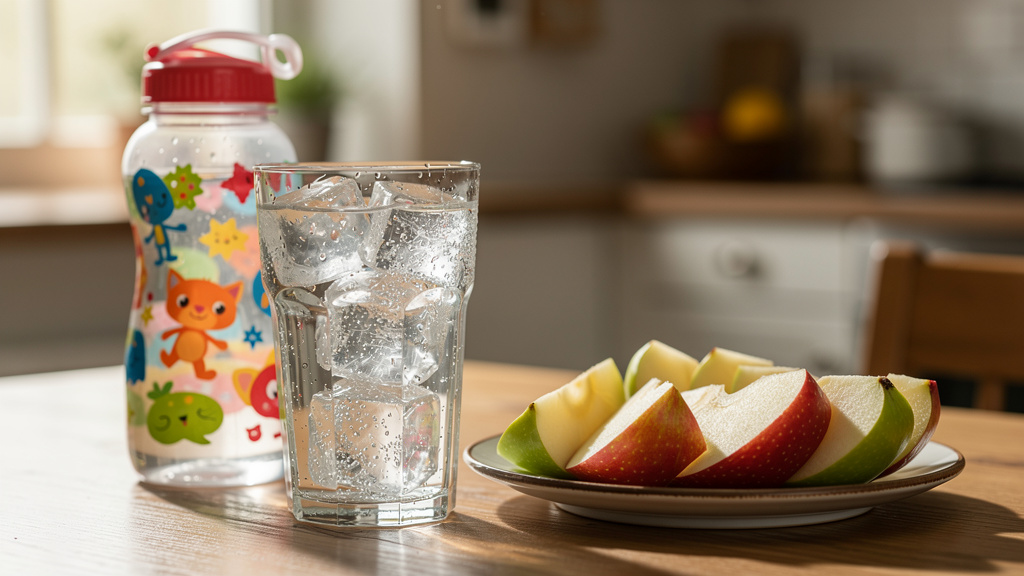
- Fluids: Encourage regular sips of water so urine stays pale yellow.
- Pain relief: Use paracetamol or ibuprofen in age-appropriate doses under medical guidance.
- Warm baths: Plain water baths (no bubble bath) can soothe genital irritation.
- Rest: Quiet play and good sleep support recovery.
- Gentle diet: Reduce fizzy drinks, very spicy snacks, and caffeine during the acute phase.
Simple measures for babies and older children:
- Frequent nappy changes and use of barrier creams for nappy rash.
- Loose cotton underwear and clothing.
- Keeping a brief symptom diary (fever, pain, urine changes, medicines given).
Contact your doctor if symptoms worsen, fail to improve in the expected time, or new warning signs appear.
Preventing Painful Urination And UTIs In Children

Prevention is often kinder than treatment. Many causes of painful urination, especially UTIs and irritation, can be reduced through small daily habits.
Key areas to focus on:
- Healthy toileting routines.
- Good hygiene.
- Adequate fluids and bowel care.
- Comfortable clothing and active lifestyle.
Dr Sujit Chowdhary and his team place strong emphasis on preventive education during consultations.
Establishing Healthy Toileting Habits
Helpful routines include:
- Regular toilet visits every 2–3 hours during the day.
- Toilet breaks before leaving home, on reaching school, after school, and before bed.
- Avoiding frequent “just hold it” messages when children ask to go.
- Allowing enough time on the toilet to relax and empty fully.
- Providing a footstool or low seat so younger children sit with feet supported and knees apart.
Some children benefit from double voiding (urinating, waiting a couple of minutes, then trying again) to empty the bladder completely.
Maintaining Excellent Hygiene Practices
Good hygiene reduces bacteria around the urinary tract:
- Girls should always wipe from front to back.
- Children should wash hands with soap and water after toilet use.
- Daily genital cleaning with lukewarm water and mild, unscented soap if needed.
- Avoid bubble baths, strong soaps, and perfumed wipes around the genital area.
- For infants:
- Change wet or soiled nappies promptly.
- Clean and dry the area gently.
- Use barrier cream if the skin looks red.
- Allow some nappy free time when possible.
After swimming, children should rinse off chlorine and change out of wet swimsuits promptly.
Dietary And Hydration Strategies
What children drink and eat has a strong effect on urinary health:
- Aim for regular water intake so urine stays pale yellow.
- Spread fluid intake across the day rather than large amounts at once.
- Prevent constipation with:
- Fruits (such as apples, pears, papaya)
- Vegetables
- Whole grains
- Pulses and lentils
Some children notice more urinary discomfort after certain items like fizzy drinks, very acidic foods, or drinks with caffeine and artificial sweeteners. Reducing these may help if a clear pattern is seen.
Probiotic rich foods such as yoghurt can support overall gut and immune health as part of a balanced diet.
Clothing And Lifestyle Recommendations
Clothing choices around the genital area should help keep the skin cool and dry:
- Prefer soft, breathable cotton underwear.
- Avoid very tight undergarments and jeans for long periods.
- Change out of wet clothes quickly after swimming, sweating, or rain.
- Use gentle, fragrance free laundry detergents and consider an extra rinse cycle.
An active lifestyle with regular play and exercise supports healthy bowel movements and general health, which in turn supports urinary health.
Understanding Recurrent UTIs When Prevention Is Not Enough
Some children have repeated UTIs despite good habits. Recurrent UTIs are often defined as:
- Three or more infections in six months, or
- Four or more infections in one year.
This pattern raises concern about underlying issues such as:
- Vesicoureteral reflux.
- Obstruction from narrow segments or valves.
- Bladder dysfunction (including neurological causes).
- Chronic constipation.
Dr Sujit Chowdhary follows a structured plan for recurrent UTIs, including:
- Detailed history and examination.
- Imaging (ultrasound, MCU, DMSA) to detect structural problems and kidney scars.
- Paediatric Urodynamics to study bladder and sphincter function.
Management may include surgery for structural problems, preventive antibiotics for a period, bladder retraining, active constipation treatment, and strengthened hygiene and hydration routines.
For many families, understanding the reason behind recurrent infections is as important as treating each episode.
With careful investigation and follow up, most children reach a point where infections are rare and kidney function remains safe.
Why Choose Dr. Sujit Chowdhary For Your Child’s Urinary Health
Choosing a specialist when your child has child pain while urinating or recurrent UTIs can feel daunting. Parents need someone with deep expertise, a gentle manner with children, and clear explanations.
Dr Sujit Chowdhary, a senior paediatric urologist in Delhi NCR with over twenty five years of experience, has treated thousands of children with urinary, genital, and kidney problems. His work has been recognised with honours such as the President’s Gold Medal and the Guy Baines Medal, and he has built strong trust with families over many years.
A key strength of his practice is advanced diagnostic capability, especially Paediatric Urodynamics, which is not widely available. This test is central to managing complex conditions like spina bifida, difficult incontinence, and recurrent UTIs.
His centre offers:
- Complete evaluation (history, examination, imaging, Urodynamics).
- Modern, minimal access stone surgery and stone prevention plans.
- Surgical correction of reflux and structural abnormalities when needed.
- Medical circumcision for clearly indicated foreskin problems.
- Child friendly staff and clear communication of options and expected outcomes.
- In person and tele/video consultations for families across India.
The focus remains on safe, evidence-based care that respects both the child and the family’s concerns.
Conclusion
Pain during urination is never a normal part of childhood. A baby who cries with every wet nappy or an older child who says “it burns when I pee” is sending a clear signal that needs attention. While the phrase child pain while urinating can be frightening, most causes can be found and treated when parents and doctors act together early.
This guide has outlined how to recognise real dysuria, the main causes (from UTIs and stones to skin irritation and structural issues), warning signs that require urgent care, and the tests doctors use to reach a diagnosis. It has also described treatment options and practical preventive steps.
Parents can do a lot through healthy toilet habits, good hygiene, fluids, and constipation management. When specialist help is needed, Dr Sujit Chowdhary offers experienced, thoughtful care for children from Delhi NCR and beyond, giving them the best chance of comfortable urination, healthy kidneys, and a carefree childhood.
Is Your Child Crying or Struggling While Urinating?
Pain, burning, crying during urination, frequent bathroom visits, or fear of using the toilet can signal urinary infections, irritation, or underlying urological problems in children. Early evaluation is important to prevent complications. Raj Hospital Ranchi offers expert paediatric urology care with child-friendly diagnosis and treatment.
Consult a Paediatric Urologist for Your ChildHow Can I Tell If My Baby’s Crying Is Due To Pain While Urinating Or Something Else?
Look at the timing of the crying. If your baby fusses briefly before passing urine and then settles once the stream starts, that often reflects normal discomfort from a full bladder. If crying begins or worsens as urine flows and continues afterwards, pain is more likely. Extra warning signs include fever without a clear cause, foul smelling or cloudy urine, obvious nappy rash, or a baby who arches the back and pulls up the legs while wetting. Because babies cannot explain what hurts, repeated distress with wet nappies or any unexplained fever should prompt a doctor’s visit.
Can A UTI In My Child Lead To Serious Complications If Left Untreated?
Yes. If bacteria remain in the bladder, they can travel to the kidneys and cause a kidney infection, which may leave permanent scars if severe or repeated. In rare but dangerous cases, bacteria can enter the bloodstream and cause sepsis, a life threatening condition needing intensive care. Repeated untreated UTIs also increase the risk of long term kidney disease and high blood pressure. The positive side is that with early diagnosis and a full, correct course of antibiotics, most children recover fully with no lasting damage.
Are UTIs Contagious Can My Child Catch One From Siblings Or At Daycare?
UTIs are not like colds or flu; children usually do not “catch” them directly from others. In most cases, the bacteria causing a UTI come from the child’s own digestive tract and reach the urinary tract because of hygiene or anatomical factors. However, group settings can increase exposure to bacteria if hygiene is poor (for example, infrequent hand washing, unclean toilets, or delayed nappy changes). Good habits such as hand washing, proper wiping, and prompt nappy changes protect all children. If one child has recurrent UTIs, that child should be assessed individually by a paediatrician or paediatric urologist rather than blaming siblings or daycare.