A small child who suddenly cries when passing urine or develops a fever without a cold can worry any parent. It is hard to know whether these are ordinary bugs or early child bladder infection symptoms that need quick attention. That uncertainty can make even calm parents feel on edge.
Bladder infections, also called cystitis, are among the most common urinary tract infections (UTIs) in children. The good news is that they are very treatable when picked up early. The difficult part is that child bladder infection symptoms often look different at each age. A tiny baby may only have a fever and poor feeding, while an older child may clearly say that it hurts to wee. Knowing what to watch for helps parents act fast and protect their child’s kidneys.
Although urinary infections are not very common in children, they matter because repeated or severe infections can point to hidden problems in the urinary tract. That is where an expert paediatric urologist can make a real difference. In Delhi‑NCR, Dr Sujit Chowdhary has more than 25 years of experience in spotting and treating these infections, as well as the congenital conditions that often sit behind them. His child‑friendly style, modern tests, and 24×7 tele or video consultations give families both medical skill and reassurance.
This article walks through what a bladder infection is, how child bladder infection symptoms change with age, common causes and risks, when to see a doctor or rush to emergency care, how doctors confirm the diagnosis, and what treatment and prevention look like. By the end, parents should feel more confident about spotting warning signs early and knowing when to contact Dr Chowdhary for expert, compassionate care.
What Is A Bladder Infection In Children?

A bladder infection is a type of urinary tract infection where germs settle and multiply inside the bladder. The bladder is the organ that stores urine before it leaves the body, and when it becomes inflamed children feel pain, burning, and other uncomfortable child bladder infection symptoms.
The urinary system has four main parts:
- The kidneys filter waste from the blood and produce urine.
- The ureters are thin tubes that carry urine from each kidney to the bladder.
- The bladder holds urine until a child is ready to pass it.
- The urethra is the short tube that carries urine out of the body.
Infections in the bladder and urethra are called lower urinary tract infections, while infections that reach the kidneys and ureters are called upper urinary tract infections and are more serious.
Bladder infections are the most frequent type of urinary infection in children. The main germ is Escherichia coli, usually called E. coli, which normally lives in the bowel. Because the opening of the urethra lies close to the anus, these bacteria can travel into the urinary tract, especially if hygiene is poor. Girls have a shorter urethra than boys, so bacteria reach their bladder more easily.
In most children the infection stays in the bladder and causes local symptoms such as pain when passing urine, frequent trips to the toilet, and smelly urine. If a bladder infection is missed or ignored, bacteria can move up to the kidneys and cause a kidney infection, which is much more serious. With prompt medical care, bladder infections are very treatable and most children recover completely.
As many paediatric guidelines stress, “Prompt diagnosis and treatment of urinary tract infections in children is essential to protect growing kidneys.”
Is Your Child Showing Signs of a Bladder Infection?
Frequent crying while urinating, fever without cold, foul-smelling urine, poor feeding, or abdominal pain can be early signs of a bladder infection in babies and children. Early diagnosis is important to prevent kidney damage. Consult an experienced pediatric urologist for proper evaluation and treatment.
Book Consultation for Child Bladder InfectionRecognising Child Bladder Infection Symptoms By Age Group

Child bladder infection symptoms do not look the same in every child. A young baby cannot say that weeing hurts, and even a school‑age child may struggle to describe exactly what they feel. Parents who understand age‑wise patterns often reach the doctor sooner and avoid complications.
The table below gives a quick overview, which is then explained in more detail.
| Age Group | Common Signs Parents May Notice |
|---|---|
| Infants and toddlers under 2 years | Fever without clear cause, irritability, poor feeding, vomiting, loose stools, foul‑smelling urine, unusual sleepiness |
| Children 2 years and above | Pain or burning when passing urine, frequent or urgent toilet visits, tummy or pelvic pain, change in urine colour or smell, accidents or new bedwetting, tiredness |
Symptoms In Infants And Toddlers Under 2 Years
In babies and toddlers, bladder infections often show only general signs of illness. These early child bladder infection symptoms can look very similar to common viral infections, which makes them easy to miss. Careful observation and a low threshold for seeing the doctor are very important in this age group.
Key signs include:
- Unexplained fever is one of the most important signs in babies. A high temperature without cough, cold, or ear symptoms raises suspicion for a urinary infection. In many infants the fever may be the only clear sign that something is wrong, so doctors take it very seriously.
- Increased irritability or fussiness is another common clue. A baby who is usually calm may cry more, be difficult to comfort, or seem unsettled during and after feeds. This change in behaviour often tells parents that the child is uncomfortable somewhere, even if the source is not obvious.
- Poor feeding or a sudden drop in appetite can appear with bladder infections. Babies may pull away from the breast or bottle, feed for shorter periods, or refuse feeds altogether. Over a few days this can lead to less urine in the nappy and poor weight gain if help is not sought.
- Vomiting or loose stools sometimes go hand in hand with urinary infections in very young children. Parents may first think it is a tummy bug. When these tummy symptoms sit alongside fever and irritability, a urine infection should be considered.
- Foul‑smelling or cloudy urine in the nappy is another warning sign. Parents might notice a sharp or unusual odour when changing nappies, or see that the urine looks darker than usual. A baby who seems unusually sleepy or less active than normal also needs prompt review, especially if these signs appear together.
Any baby under three months with a fever needs immediate medical assessment. For older babies and toddlers, parents should trust their instincts and ask for a urine test if the child seems unwell without a clear explanation.
Symptoms In Older Children 2 Years And Above
Once children can speak and use the toilet, child bladder infection symptoms become more specific. Older children can describe pain, pressure and urgency, which helps parents and doctors pick up the problem faster. The pattern of symptoms together often points strongly towards a bladder infection.
- Pain or burning during urination is one of the most typical complaints. Children may say it stings or hurts when they wee, or they may cry or hold themselves when sitting on the toilet. Some start to avoid the toilet because they fear the pain, which can make the infection worse.
- Frequent or urgent need to pass urine is another major sign. A child may ask to go to the toilet many more times than usual, often only passing a few drops. Teachers may notice that the child keeps asking to leave class. The urge can be so strong that accidents happen on the way to the toilet, even in a child who was fully toilet trained.
- Changes in urine are also common child bladder infection symptoms. Wee may look cloudy or darker, and parents sometimes notice a strong or unpleasant smell in the bathroom or on underwear. In some cases blood is mixed with the urine, which can make it appear pink, red or brown. Any blood in a child’s urine should be checked quickly.
- Pain or pressure in the lower tummy, just above the pubic bone, often appears. Children may hold their stomach or describe a heavy feeling in that area.
Alongside these signs, many children develop:
- Mild fever
- Tiredness or low energy
- A general sense of being unwell
- New bedwetting or daytime accidents in a child who was previously dry
These changes are important clues to share with the doctor.
Common Causes And Risk Factors For Paediatric Bladder Infections

Understanding why bladder infections happen helps parents reduce the risk where possible. Most child bladder infection symptoms start when bacteria from the bowel enter the urinary tract through the urethra and settle in the bladder. Once there, they multiply and trigger inflammation.
E. coli from the bowel causes around eight to nine out of ten bladder infections in children. Other germs such as Klebsiella or Proteus can also cause problems, especially in children with stones or those who have been in hospital. These bacteria reach the urinary tract in several common ways.
Some of the main triggers are:
- Poor hygiene around toileting
Wiping from back to front in girls can move bacteria from the bottom towards the urethra. Not washing hands well after using the toilet or changing nappies spreads germs too. Teaching the right wiping technique from an early age lowers this risk. - Holding urine for long periods
Many children ignore the urge to use the toilet because they are busy playing or feel shy to ask in school. When urine sits in the bladder for too long, bacteria have more time to multiply, which leads to child bladder infection symptoms. - Constipation
A bowel that is full presses on the bladder and stops it from emptying fully. Leftover urine then becomes a perfect place for bacteria to grow. Children with hard stools or painful bowel movements need early help, both for comfort and for urinary health. - Structural or functional urinary problems
Some children are born with issues in the urinary tract. Conditions such as vesicoureteral reflux (where urine flows back from the bladder towards the kidneys) or neuropathic bladder (where nerves do not control the bladder properly) greatly raise the chance of repeated infections. - Other risk factors
Girls, children under six, uncircumcised boys in early childhood, and children with weak immune systems or previous urinary infections all sit in higher risk groups.
Dr Sujit Chowdhary has special skill in finding and treating these underlying problems. He uses urodynamic tests, MRI scans and child‑friendly cystoscopy to study how the bladder stores and empties urine. By correcting issues such as reflux or obstruction, he helps reduce repeated child bladder infection symptoms and protects kidney function over the long term.
When To Seek Medical Attention: Warning Signs For Parents
Any suspected bladder infection deserves medical attention, because early treatment prevents spread to the kidneys. Parents often wonder whether they can wait and watch at home or need urgent help. Clear warning signs make this choice easier.
If your child shows pain or burning when passing urine, goes to the toilet much more often, or has foul‑smelling or cloudy urine, it is time to contact a paediatrician or paediatric urologist. Changes in toilet behaviour, such as sudden accidents or new bedwetting in a dry child, also suggest child bladder infection symptoms that need checking.
You should seek prompt medical advice in situations like these:
- When your child has typical urinary symptoms together with a mild fever or tummy discomfort, a doctor visit is important. The doctor can arrange a urine test to confirm a bladder infection. Early antibiotics at this stage usually clear the problem quickly and keep it away from the kidneys.
- If your child has had urinary infections before and similar symptoms return, the doctor needs to know. Repeated infections can damage the kidneys silently over time. A specialist such as Dr Sujit Chowdhary may suggest further tests to look for underlying causes.
- When toilet habits change without an obvious reason, do not ignore it. For example, a child who suddenly starts rushing to the toilet or avoiding it could be in pain. Recording how often they pass urine and any complaints they mention will help the doctor understand the pattern.
Some warning signs mean you should go straight to an emergency department or seek urgent care:
- A high fever above 38.3°C, especially with chills, shaking, or back pain, suggests the infection may have reached the kidneys. This situation needs quick medical care and often hospital treatment with intravenous antibiotics.
- Severe pain in the back, side or lower tummy together with urinary symptoms should never be left for later. Children may curl up, cry loudly, or refuse to move because of this pain. Doctors treat this combination as a possible kidney infection until proven otherwise.
- Visible blood or pus in the urine is always serious. Even one episode of red or cola‑coloured urine, or thick cloudy urine with clots, needs urgent assessment. Early treatment at this stage protects the kidneys and helps avoid long‑term damage.
- Inability to pass urine or passing only a few drops despite a strong urge is an emergency. Not weeing for an entire day, especially if your child also has swelling, discomfort, or confusion, must be treated as urgent. Dehydration signs such as dry mouth, no tears when crying, and very dark urine add to the concern.
- Any suspected urinary infection in a child under five years, or any child who is very drowsy, floppy, or hard to wake, should be treated as urgent. Vomiting that stops your child from keeping down fluids or medicine is another red flag.
A simple rule that many paediatricians share with parents is: “If your child seems sicker than the symptoms explain, or you are afraid to wait, it is safer to get urgent medical help.”
For parents in Delhi‑NCR and across India, Dr Sujit Chowdhary offers 24×7 tele and video consultations for urgent questions. For children who need hospital care, he practises as Senior Consultant at Indraprastha Apollo Hospital, Delhi, where full emergency and inpatient services are available.
Is Your Child Showing Signs of a Bladder Infection?
Frequent crying while urinating, fever without cold, foul-smelling urine, poor feeding, or abdominal pain can be early signs of a bladder infection in babies and children. Early diagnosis is important to prevent kidney damage. Consult an experienced pediatric urologist for proper evaluation and treatment.
Book Consultation for Child Bladder InfectionHow Bladder Infections Are Diagnosed In Children
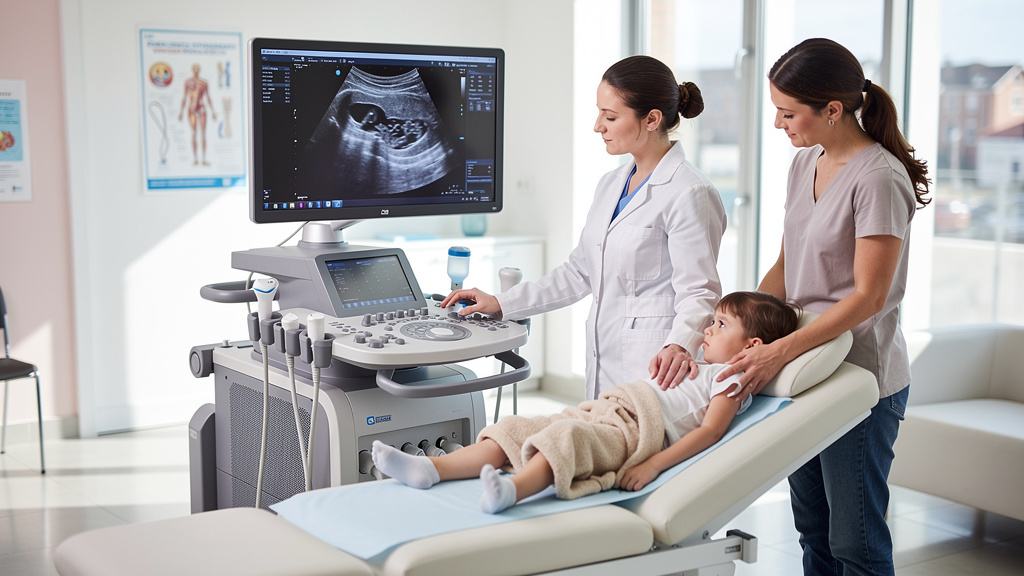
Knowing what will happen at the clinic can ease a lot of anxiety for both parent and child. Doctors follow a stepwise process to confirm a bladder infection, find the germ causing it, and check whether there is any deeper problem behind the child bladder infection symptoms.
The visit usually starts with a careful medical history. The doctor asks about your child’s symptoms, how long they have been present, any previous urinary infections, toilet habits, bowel pattern, and any family history of kidney or urinary problems. This talk helps narrow down the likely causes.
A gentle physical examination follows. The doctor feels the lower tummy to see if the bladder area is tender and may tap or press over the back to check for kidney pain. The external genital area is checked for redness, swelling or discharge, which can sometimes explain pain without an internal infection.
The next step is testing the urine:
- Urinalysis, often done with a dipstick in the clinic, gives quick clues. A small sample of urine is checked for white blood cells, red blood cells, nitrites and protein. The presence of white cells and nitrites strongly suggests a bacterial infection, which matches many child bladder infection symptoms.
- A urine culture is the gold standard. The urine sample is sent to the laboratory, where staff check whether bacteria grow from it. If they do, the exact germ is identified and tested against several antibiotics to see which medicines work best. Results usually arrive within one to two days.
Collecting a clean urine sample is very important. Older children can pass urine into a clean container after washing the area well. Babies and young toddlers may need a special collection bag or a quick catheter insertion to obtain urine directly from the bladder. Though this sounds worrying, experienced paediatric staff and child‑sized tools make the procedure swift and as comfortable as possible.
If infections keep returning, are very severe, or happen in very young children, further tests are helpful:
- An ultrasound scan uses sound waves to make pictures of the kidneys and bladder. This test is painless and does not involve radiation. It can show blockages, swelling, stones or other structural changes.
- A micturating cystourethrogram (MCU) is an X‑ray study that looks at the bladder while it fills and empties. Contrast dye is placed into the bladder through a thin catheter, and pictures are taken while the child passes urine. This test helps detect vesicoureteral reflux and blockage.
- A DMSA scan is a nuclear medicine test that reveals how well each part of the kidney is working and can show scarring from earlier infections. This information guides long‑term care to protect kidney function.
- Urodynamic studies measure bladder pressure, capacity and emptying in detail. They are very helpful for children with neuropathic bladder or suspected emptying problems. Cystoscopy, in which a tiny camera is passed into the bladder, allows the doctor to see the inside surface directly.
Dr Sujit Chowdhary uses specially designed, small instruments and a very gentle approach for these procedures. His aim is always to explain each step in simple language, reduce fear, and search for the root cause of child bladder infection symptoms, not just the infection that is visible on the surface.
Treatment Options And Dr Sujit Chowdhary’s Approach
Once tests confirm a bladder infection, treatment focuses on clearing the germs, easing discomfort, and preventing damage to the kidneys. With the right care, most children with child bladder infection symptoms start to feel better within a couple of days.
Standard Medical Treatment
Antibiotics are the main treatment for bacterial bladder infections in children. The doctor usually starts with a medicine that works well against common germs such as E. coli and then may adjust the choice when urine culture results are back. For a simple bladder infection, the course often lasts three to seven days, while a kidney infection needs seven to fourteen days. It is very important that your child finishes the full course, even when symptoms settle, so that bacteria do not survive and cause another infection.
Most children can take antibiotics by mouth at home. If a child is vomiting a lot, very unwell, or very young, the doctor may advise hospital admission for intravenous antibiotics and close monitoring. Parents should never give leftover antibiotics or start medicine without medical advice, because the wrong drug or dose can do more harm than good.
Supportive care at home makes children more comfortable:
- Encourage your child to drink plenty of water and other suitable fluids to dilute the urine and help flush bacteria out of the bladder.
- Use safe pain and fever relief, such as paracetamol or ibuprofen prescribed in correct doses, to ease burning and tummy pain.
- A warm compress or heating pad on the lower abdomen can soothe discomfort (with a cloth between the skin and the heat source).
- Rest and quiet play give the body time to heal.
In babies and in children with very high fever, dehydration, or poor general condition, doctors may advise a short stay in hospital. This allows fluids and medicines to go through a drip, careful observation of urine output, and quicker response if the infection spreads.
Dr Sujit Chowdhary’s Comprehensive Care Approach
Dr Sujit Chowdhary’s care does not stop at writing a prescription. He looks closely for underlying reasons when a child shows bladder infection symptoms, especially if they are severe or keep returning. Conditions such as vesicoureteral reflux, obstruction at the junctions of the urinary tract, neuropathic bladder, or congenital anatomical differences often need specific long‑term plans rather than repeated short courses of antibiotics.
Where structural problems are present, Dr Chowdhary offers a wide range of modern treatments. These include minimally invasive keyhole surgery, endourological procedures passed through natural openings, and robotic surgery for very precise work when required. His goal is to correct the problem with as little pain, scarring and hospital time as possible, so children can get back to normal life quickly.
Children often feel nervous in hospital settings, so he uses a very child‑friendly examination style. He takes time to chat, uses age‑appropriate words, and shows children the smaller instruments that have been specially designed for paediatric use. This gentle manner helps children describe their child bladder infection symptoms openly, which leads to better diagnosis and treatment.
Families who see Dr Chowdhary often comment on his balanced approach to medical and financial needs. He focuses on safe, high‑quality care that remains affordable, explaining all options clearly so parents can make informed choices. With more than 25 years of experience, fellowships from respected international colleges, awards from Indian and British surgical associations, and a long record at Indraprastha Apollo Hospital, he brings deep expertise with a caring touch. His 24×7 tele and video consultation service means parents can ask questions and share reports even from outside Delhi‑NCR, which is especially helpful when child bladder infection symptoms appear suddenly.
Prevention Strategies: Protecting Your Child From Bladder Infections

Not every bladder infection can be prevented, especially when structural problems exist, but good daily habits lower the risk for many children. Simple steps at home can reduce the chances that child bladder infection symptoms appear in the first place or come back.
Hygiene practices matter a lot:
- Teach girls to wipe from front to back after using the toilet so bacteria from the bottom do not spread towards the urethra.
- Boys also need gentle cleaning of the penis, without forcing back the foreskin.
- All children should wash their hands with soap and water after the toilet and before eating.
- Daily baths or showers with mild, unscented soap keep the area clean without causing irritation.
Healthy toilet habits protect the bladder:
- Encourage children to use the toilet every two to three hours during the day instead of holding urine for long periods.
- Remind them not to rush but to relax and wait until they feel the bladder is fully empty.
- Ask children to wee after a bowel movement to help clear any germs near the urethra.
- For school‑age children, talk to teachers about easy access to toilets to prevent bladder holding during class.
Fluids and diet support urinary health:
- Offer water regularly through the day, aiming for around six to eight glasses in older children, with smaller amounts for toddlers.
- Try to limit fizzy drinks and drinks with caffeine in teenagers, as these can irritate the bladder.
- A diet rich in fruits, vegetables and whole grains prevents constipation, which removes pressure from the bladder.
- Some families use unsweetened cranberry products or probiotics after discussing with their doctor, though these are extra supports, not replacements for medical care.
Clothing and daily habits also play a part. Choose cotton underwear, which allows air to move and keeps the area drier than synthetic fabrics. Avoid very tight trousers that trap heat and moisture. Change wet swimsuits, sports clothes or nappies promptly, because warm dampness encourages bacteria to grow on the skin and near the urethra.
A well‑known saying in paediatrics is, “Healthy toilet and bowel habits now are an investment in your child’s kidney health for years to come.”
Medical follow‑up is important for children with a history of urinary infections. Regular check‑ups allow the doctor to monitor blood pressure and kidney health, especially after a kidney infection. If your child has three or more infections within six months, or fewer but quite severe ones, it is wise to see a paediatric urologist. Dr Sujit Chowdhary offers detailed assessment to look for reflux, obstruction and bladder function problems, and then plans long‑term care to reduce further child bladder infection symptoms and protect the kidneys.
Is Your Child Showing Signs of a Bladder Infection?
Frequent crying while urinating, fever without cold, foul-smelling urine, poor feeding, or abdominal pain can be early signs of a bladder infection in babies and children. Early diagnosis is important to prevent kidney damage. Consult an experienced pediatric urologist for proper evaluation and treatment.
Book Consultation for Child Bladder InfectionConclusion
Being able to recognise child bladder infection symptoms gives parents real power to protect their children’s health. In babies and toddlers these infections may show only as fever, irritability, poor feeding or smelly nappies, while older children often complain of burning when passing urine, frequent toilet visits, tummy pain or cloudy, strong‑smelling wee. Knowing these age‑related patterns makes it easier to decide when to seek help.
Bladder infections are common and very treatable when caught early, but they should never be ignored. Prompt medical care, the right antibiotics, and finishing the full course stop the germs from climbing to the kidneys and help prevent long‑term damage. Simple daily steps such as good hygiene, regular toilet breaks, plenty of fluids and prevention of constipation all lower the chance that child bladder infection symptoms return.
When infections keep coming back, or when a child is very young or very unwell, specialist input is vital. In Delhi‑NCR and across India, Dr Sujit Chowdhary offers that depth of experience, combining over 25 years of paediatric urology practice with a gentle, child‑centred manner and access to advanced tests and modern surgical techniques. With 24×7 tele and video support and his role at Indraprastha Apollo Hospital, he is well placed to guide families through both simple infections and complex underlying conditions. If your child shows signs of a bladder infection or has repeated urinary problems, arranging a consultation with Dr Chowdhary is a wise step towards safe, confident care.
Frequently Asked Questions
How Can I Tell If My Baby Has A Bladder Infection If They Can’t Tell Me They Are In Pain?
In babies, bladder infections rarely present with clear urinary complaints because they cannot explain discomfort. Instead, parents should watch for indirect warning signs such as an unexplained fever without cough or cold, increased crying or fussiness that is difficult to calm, poor feeding, vomiting, loose stools, nappies that smell unusually strong, or a baby who seems more sleepy or less active than normal. Any fever in a baby under three months of age, or a combination of these symptoms without a clear cause, needs urgent medical evaluation and a urine test to rule out a bladder infection.
What Is The Most Common Cause Of Bladder Infections In Children?
The most common cause of bladder infections in children is E. coli, a type of bacteria that normally lives in the bowel. These bacteria can move from the bottom towards the urethra, especially when hygiene is poor or wiping after the toilet is done from back to front. Once the bacteria enter the bladder, they multiply and trigger child bladder infection symptoms such as pain while passing urine, frequent urination, and discomfort. Other bacteria like Klebsiella or Proteus can also cause infections but are less common.
Can My Child Go To School With A Bladder Infection?
During the first one or two days of a bladder infection, many children feel too uncomfortable to attend school because of fever, pain while passing urine, and frequent toilet trips. After 24 to 48 hours of starting antibiotics, most children begin to feel better and their fever usually settles. If your child is comfortable, does not have a high fever, and can easily access a toilet when needed, they can usually return to school. It is helpful to inform teachers about the condition and encourage your child to drink water regularly during the school day.
How Long Does It Take For Antibiotics To Work For A Bladder Infection?
Most children start to feel some improvement within one to two days of beginning antibiotics. Fever often reduces within the first 24 hours, while burning or pain during urination usually improves over the next two to three days. Other child bladder infection symptoms such as urgency, frequent urination, and lower tummy discomfort gradually fade as the course continues. Even if your child seems completely better, it is very important to complete the full prescribed antibiotic course to ensure all bacteria are cleared and to reduce the risk of recurrence or antibiotic resistance.
Why Does My Child Keep Getting Bladder Infections?
Repeated bladder infections, particularly three or more within six months, often suggest that there may be an underlying issue beyond simple hygiene problems. Common causes include vesicoureteral reflux, where urine flows backward toward the kidneys, incomplete bladder emptying due to constipation or weak bladder muscles, neuropathic bladder affecting nerve control, regularly holding urine for long periods, or low fluid intake during the day. Some children also have structural differences in their urinary tract that increase infection risk. In such cases, specialist evaluation is important, as identifying and treating the root cause can protect kidney health and significantly reduce future child bladder infection symptoms.