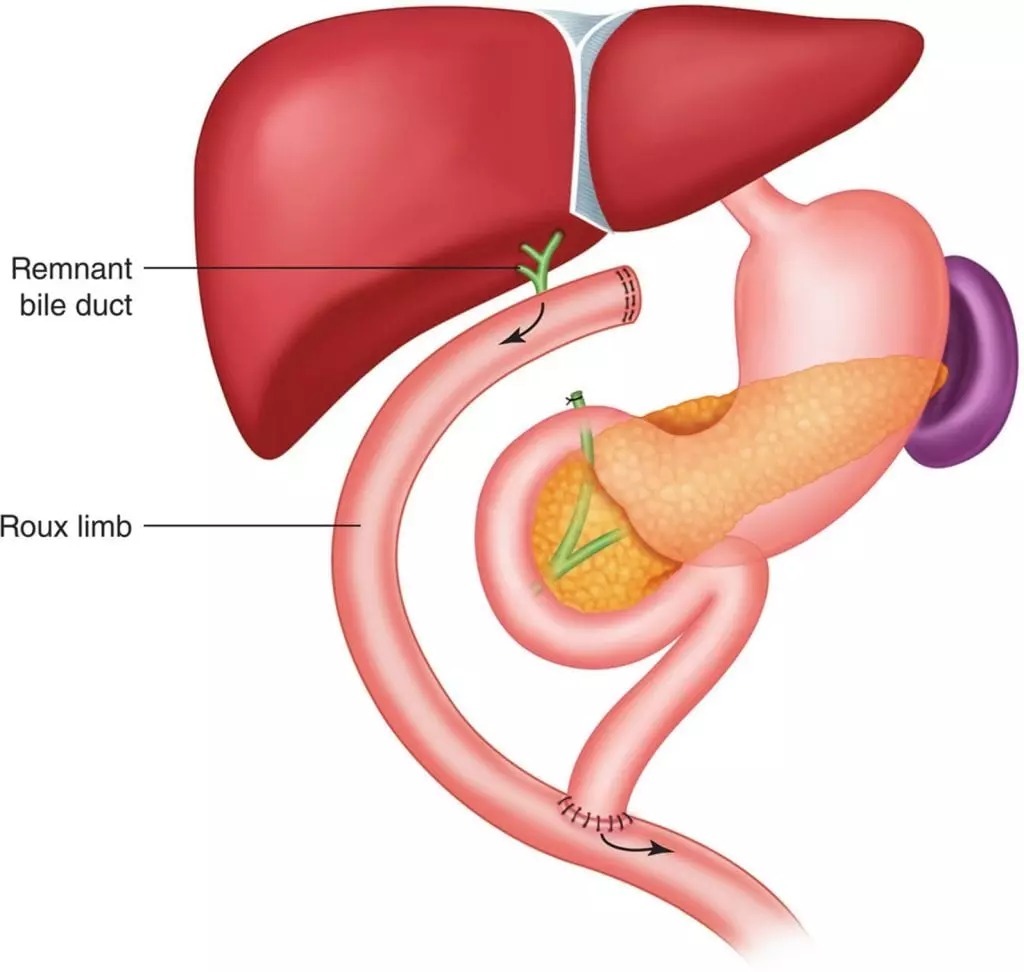
A choledochal cyst is a congenital malformation characterized by cystic dilation of the extrahepatic or intrahepatic bile ducts. These enlarged pouches cause bile stasis, resulting in recurrent cholangitis (bile duct infection), jaundice, gallstones, and potential liver scarring. Seeking expert Choledochal Cyst treatment in Delhi is essential to perform complete surgical excision and biliary reconstruction (Roux-en-Y hepaticojejunostomy), eliminating long-term risks of malignancy and liver dysfunction.
Choledochal cysts are congenital and stem from developmental biliary anomalies:
Symptoms can manifest in infancy, childhood, or adolescence:
An untreated choledochal cyst causes recurrent episodes of cholangitis, pancreatitis, and progressive biliary cirrhosis. Most importantly, persistent bile stasis and chronic inflammation lead to a high risk of malignant transformation (cholangiocarcinoma) later in life. Complete laparoscopic surgical removal at an early age eliminates these risks and restores healthy digestion.
Our team utilizes advanced 3D Magnetic Resonance Cholangiopancreatography (MRCP) to map the biliary tree before surgery. We specialize in laparoscopic and pediatric robotic surgery, ensuring precise cyst excision and Roux-en-Y reconstruction with minimal incision scars and rapid post-operative recovery.
Total surgical removal of the dilated choledochal cyst pouch to eliminate infection risks and prevent future malignant transformation.
Roux-en-Y reconstruction connecting the healthy hepatic bile duct directly to a small bowel loop to restore natural bile flow.
Advanced keyhole laparoscopic or robotic-assisted reconstruction for high precision, less pain, and minimal surgical scarring.
High-definition MRCP scans precisely map the biliary tree, cyst boundaries, and pancreatic duct junction prior to surgery.
The dilated cyst is fully mobilized and excised through keyhole ports, preserving surrounding hepatic blood vessels.
A Roux-en-Y jejunal loop is connected to the common hepatic duct, establishing a non-refluxing channel for bile drainage.
When parents consult an experienced Choledochal Cyst specialist in Delhi, specialized pediatric hepatobiliary expertise, advanced MRCP diagnostic mapping, and keyhole laparoscopic or robotic surgical techniques ensure seamless reconstruction and rapid recovery.
A Choledochal Cyst is a congenital dilation of the bile ducts connecting the liver to the small intestine. It usually forms due to an anomalous pancreaticobiliary duct junction (APBDJ), which allows pancreatic juices to backflow into the bile duct, weakening its walls.
Early surgical excision is essential to prevent severe complications, including recurrent biliary infection (cholangitis), pancreatitis, bile duct stone formation, secondary liver cirrhosis, and a significant lifetime risk of cholangiocarcinoma (bile duct cancer).
Treatment involves complete excision of the entire dilated cyst pouch, followed by Roux-en-Y Hepaticojejunostomy—connecting the remaining healthy hepatic bile duct directly to a loop of the small intestine to restore normal bile drainage into the digestive tract.
Yes, laparoscopic and robotic-assisted cyst excision with hepaticojejunostomy are modern gold-standard techniques. They offer superior 3D visualization, lower blood loss, smaller cosmetic scars, and faster post-operative recovery for pediatric patients.
Diagnosis is established using high-resolution abdominal ultrasound and Magnetic Resonance Cholangiopancreatography (MRCP), which provides detailed 3D maps of the liver, bile ducts, and pancreatic junction without radiation.
Following keyhole laparoscopic or robotic surgery, children typically stay in the hospital for 4 to 6 days until oral nutrition is resumed. Full recovery and return to school occur within 2 to 3 weeks.
No, once the Roux-en-Y biliary reconstruction heals and liver enzyme levels normalize, children can enjoy a completely normal, unrestricted, healthy diet for life.
Complete cyst excision prevents long-term liver and biliary complications. Schedule a consultation today.
D6, Club, 2, opposite Vasant Vihar, Vasant Vihar, New Delhi, Delhi 110057
+91 98732 06761
