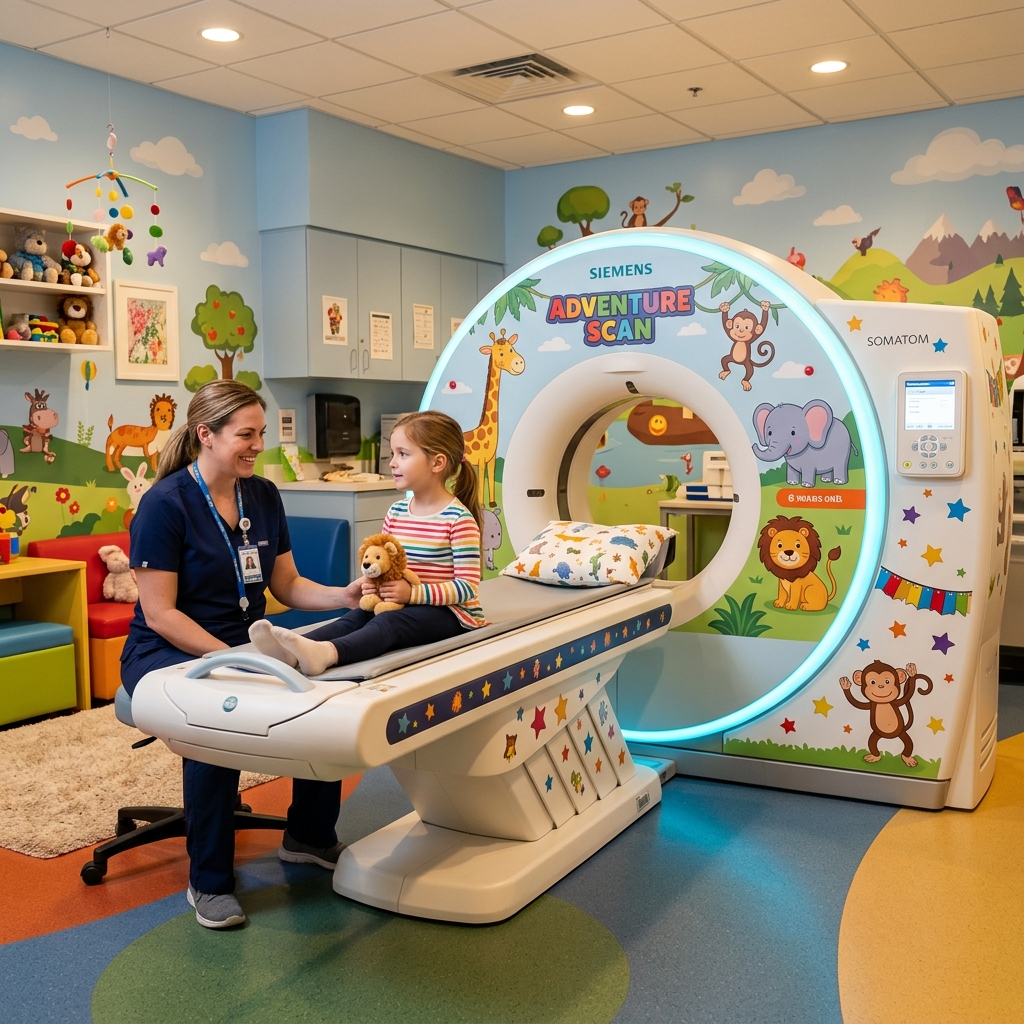
Pediatric tumors encompass a range of benign and cancerous growths in children. Common solid tumors include Wilms tumor (kidneys), neuroblastoma (nerve tissue), hepatoblastoma (liver), and rhabdomyosarcoma (muscles). Treating these tumors requires close collaboration between surgeons and oncology specialists.
Unlike adult cancers, environmental factors rarely cause pediatric tumors. Common causes include:
Signs depend heavily on the tumor's location:
Precision surgical removal of the primary tumor mass with clear margins, preserving organ function.
Partial removal of kidney tumors to preserve maximum healthy tissue, crucial in bilateral cases.
Coordinating surgeries with chemotherapy cycles to shrink large tumors before surgical excision.
Diagnostic CT/MRI scans and tissue biopsy are reviewed by the tumor board to establish the treatment plan.
Surgical removal of the tumor under microscopic magnification, ensuring all tumor margins are clear.
Close monitoring of tumor markers, repeat scans, and coordinate with chemotherapy teams for subsequent cycles.
"Dr. Sujit Chowdhary successfully operated on our infant's hepatoblastoma. The tumor was completely resected, and his post-op recovery was excellent."
"Our daughter is thriving today after surgery for a neuroblastoma by Dr. Chowdhary. His pediatric surgical oncology expertise is unmatched."
"Compassionate, scientific, and highly skilled. Dr. Sujit guided us through every step of tumor resection and pediatric ICU recovery."
"The precision in Dr. Chowdhary's surgery is incredible. His confidence gave us immense peace of mind during a very stressful time."
"We traveled from another city just for Dr. Chowdhary. His approach is very scientific and methodical yet very caring."
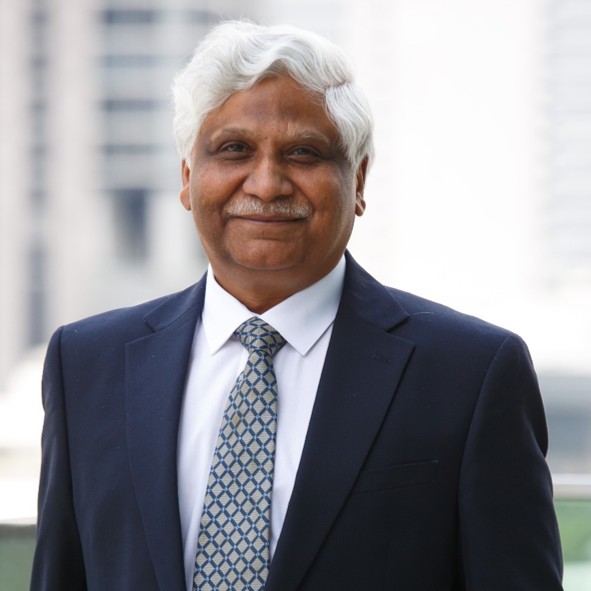
Surgical removal of childhood tumors requires delicate oncological skill. A multidisciplinary approach ensures safe, comprehensive care.
Surgery is used for biopsy, complete removal of solid tumors, and placement of chemotherapy access devices (ports).
Wilms tumor (kidney), Neuroblastoma (adrenal/nerve tissue), Hepatoblastoma (liver), and rhabdomyosarcoma are the most common.
It depends on the tumor type. Often, chemotherapy is given first (neoadjuvant) to shrink the tumor and make surgical removal safer.
A chemo port is a small device placed under the skin to allow safe and painless administration of chemotherapy and blood draws.
Yes, whenever oncologically safe, modern techniques focus on preserving normal organ function and adjacent vital structures.
Typically, children stay in the hospital for 5 to 7 days, with chemotherapy resuming once the surgical incisions are fully healed.
Regular check-ups with scans (CT/MRI/Ultrasound) and blood tests are scheduled to monitor for recurrence and support healthy growth.
Expert multi-disciplinary surgical removal of solid tumors protects your child's growth. Schedule a consultation today.
D6, Club, 2, opposite Vasant Vihar, Vasant Vihar, New Delhi, Delhi 110057
+91 98732 06761
