Voiding dysfunction refers to a range of urination problems in children who have already been toilet trained. It is characterized by abnormal bladder storage or emptying patterns, usually caused by functional coordination issues rather than nerve defects.
Voiding dysfunction is most commonly a functional, learned behavior:
Symptoms indicating a voiding dysfunction include:
Structured voiding schedules, dietary modifications, and optimal bathroom postures to retrain bladder habits.
Treating underlying constipation with high-fiber diets and laxatives to relieve physical pressure on the bladder.
Targeted medications to control bladder spasms or reduce overnight urine output for bedwetting.
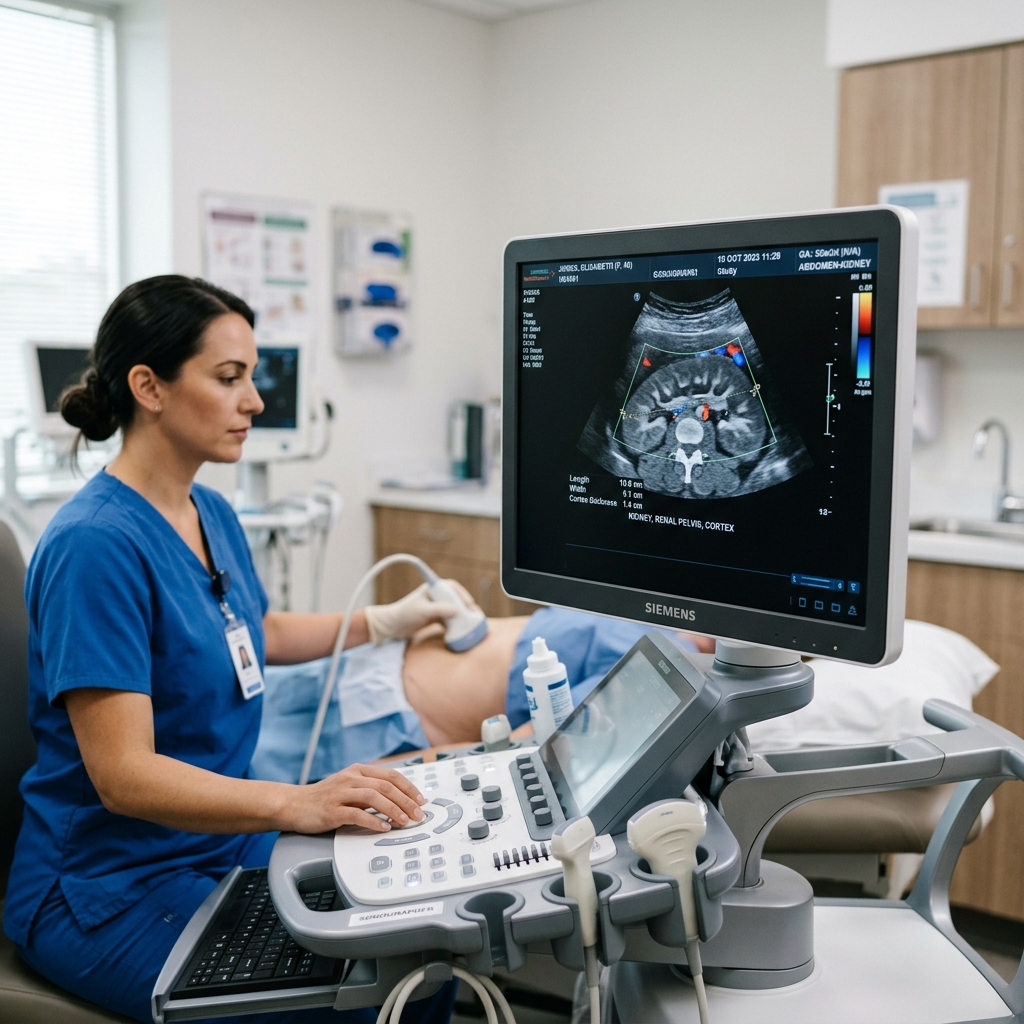
Parents complete a 3-day intake/output diary. A non-invasive uroflowmetry and ultrasound check residual urine.
Implementation of scheduled toilet times, biofeedback exercises, and lifestyle adjustments.
Periodic reviews to measure flow rates, adjust medication doses, and celebrate dryness milestones.
"Our son was suffering from daytime wetting and bedwetting. Dr. Sujit's bladder training program and uroflowmetry resolved the problem completely."
"Excellent pediatric voiding clinic. The doctor explained the biofeedback training in a way that our daughter loved. Her wetting has stopped."
"Highly professional and empathetic. Treating voiding dysfunction in kids needs patience, and Dr. Chowdhary has plenty of it."
"The precision in Dr. Chowdhary's surgery is incredible. His confidence gave us immense peace of mind during a very stressful time."
"We traveled from another city just for Dr. Chowdhary. His approach is very scientific and methodical yet very caring."

Voiding dysfunction is a common but manageable issue. Using advanced urotherapy and diagnostic techniques ensures the best functional outcomes for your child.
It is an abnormal bladder emptying pattern in a toilet-trained child, causing wetting, urgency, or urinary retention.
It is commonly caused by poor toilet habits, holding urine too long, pelvic floor muscle incoordination, and chronic constipation.
Diagnosis is based on a voiding diary, uroflowmetry test, bladder ultrasound scans, and sometimes urodynamics.
A full rectum presses against the bladder, reducing its capacity and causing bladder muscle contractions, leading to wetting.
It is a non-invasive test where the child voids into a special toilet to measure urine flow rate and pattern.
It involves timed voiding (every 2-3 hours), proper posture, biofeedback, high-fiber diet, and treating constipation.
Yes, medications like anticholinergics or desmopressin are sometimes used alongside bladder training for symptom control.
Bladder rehabilitation and biofeedback successfully cure daytime wetting and urgency. Schedule a consultation today.
D6, Club, 2, opposite Vasant Vihar, Vasant Vihar, New Delhi, Delhi 110057
+91 98732 06761
